Types of PVC couplings
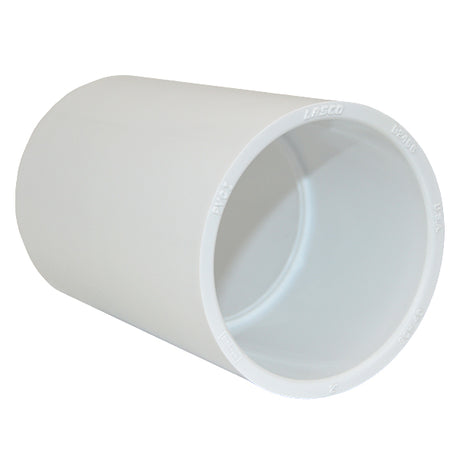
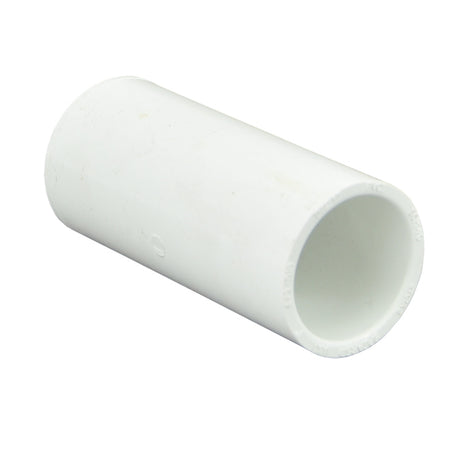
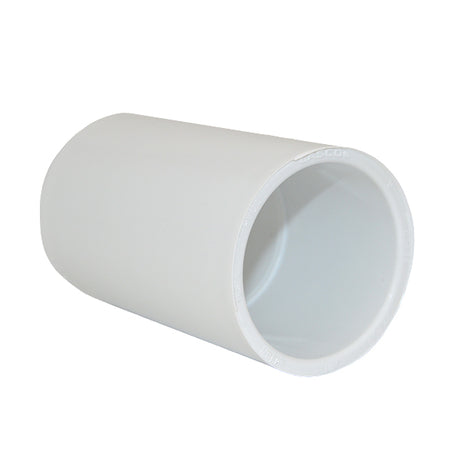
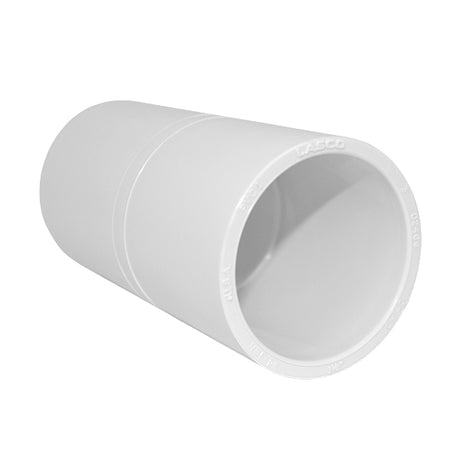
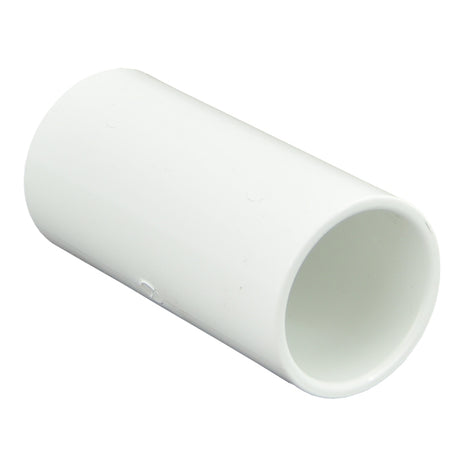
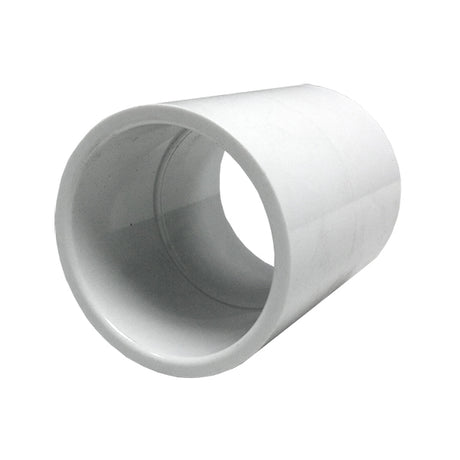
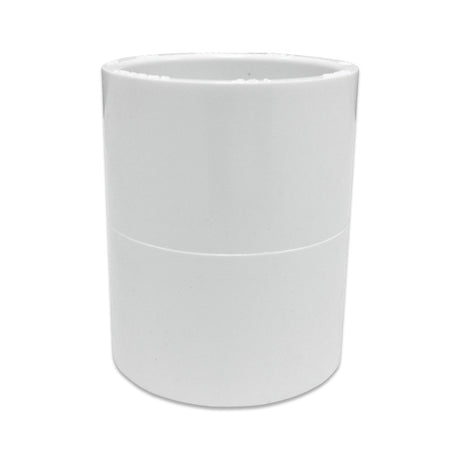
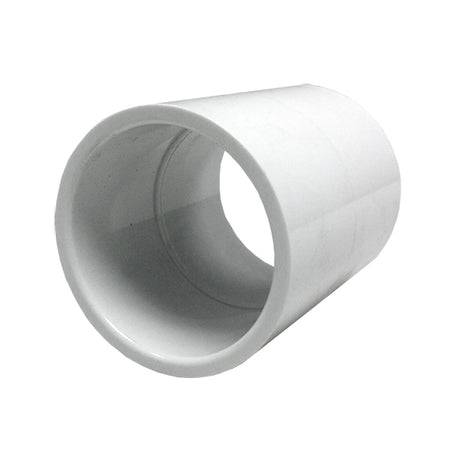
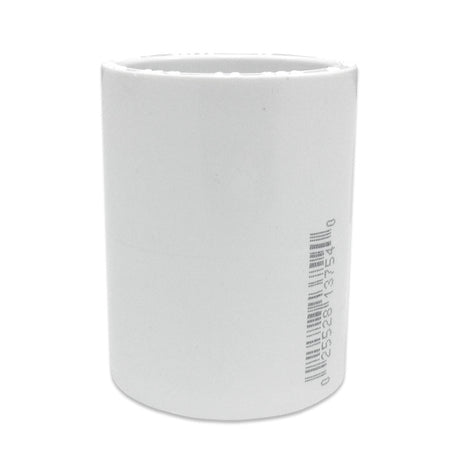
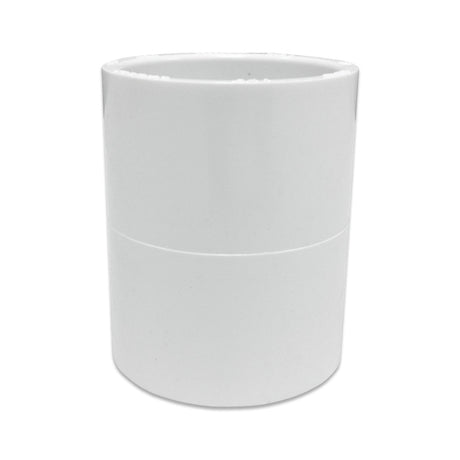
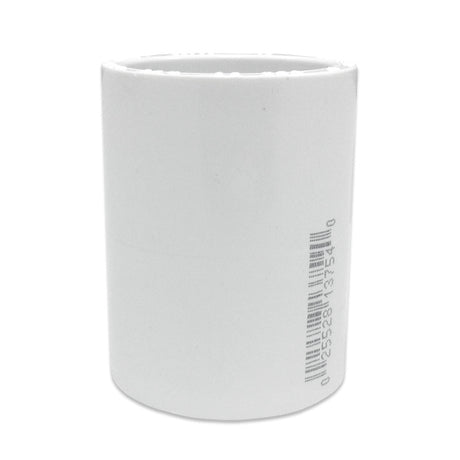
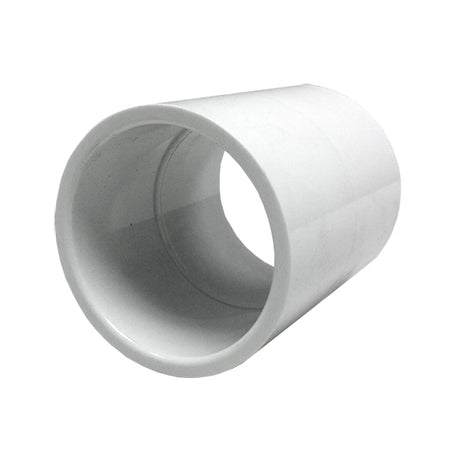
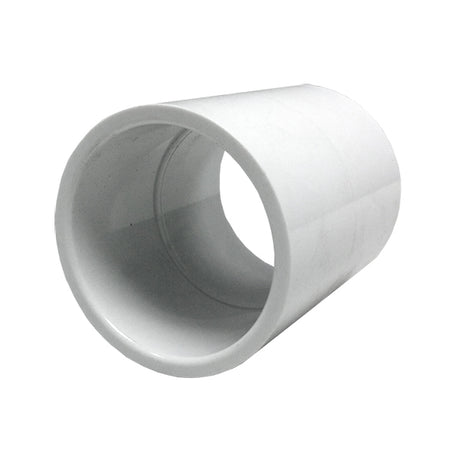
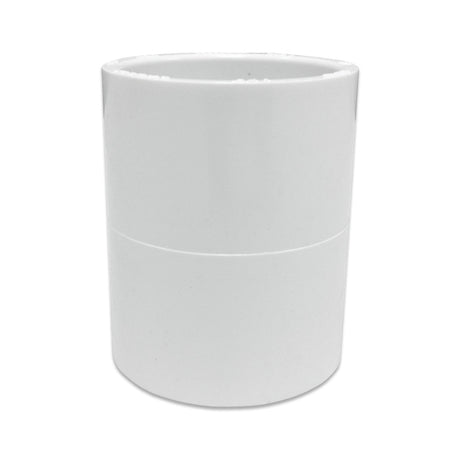
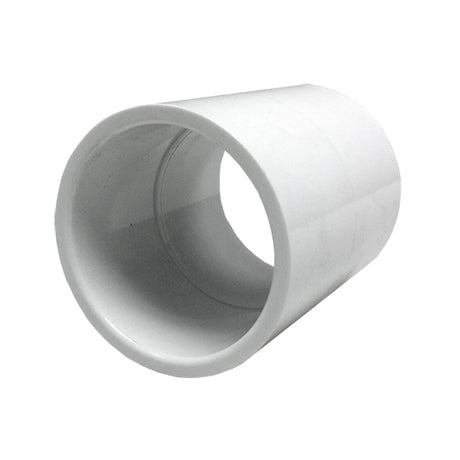
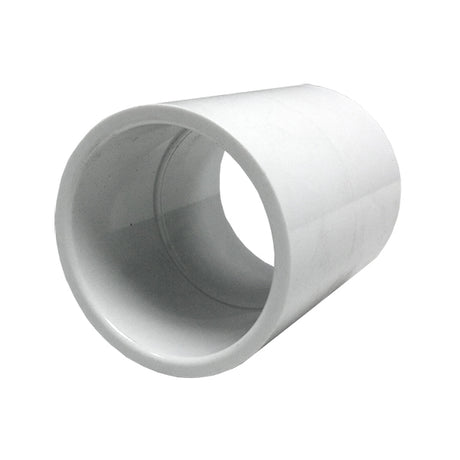
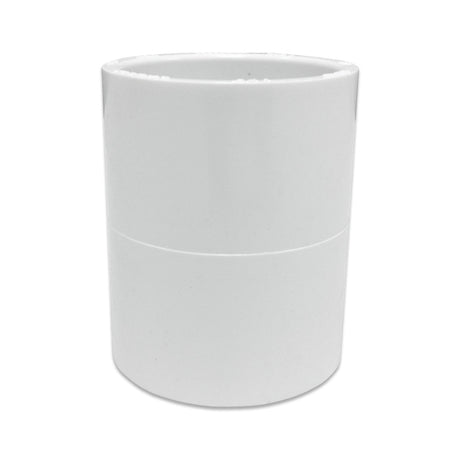
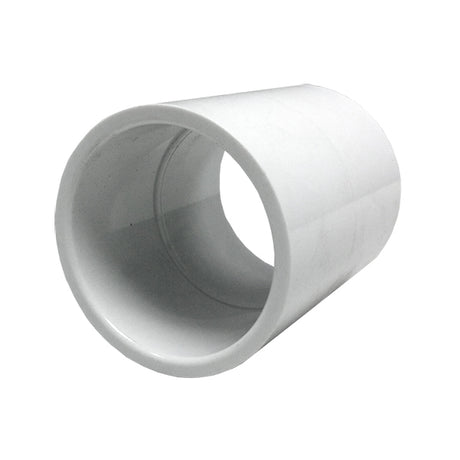
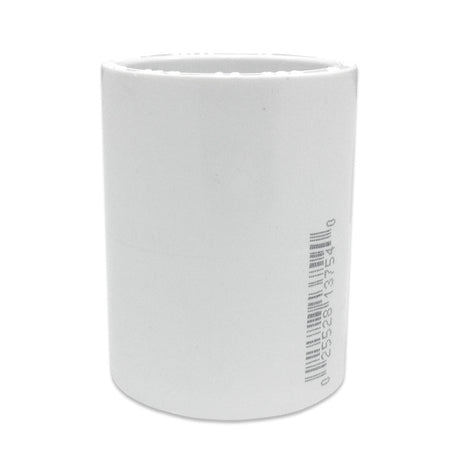
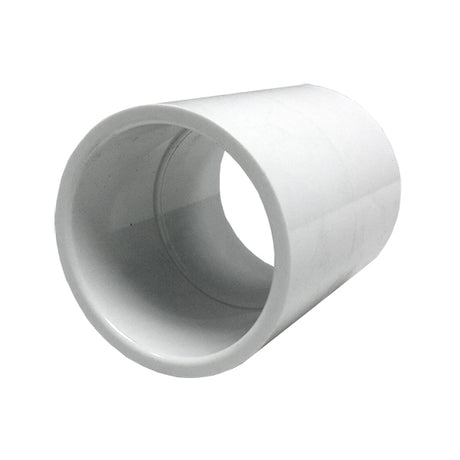
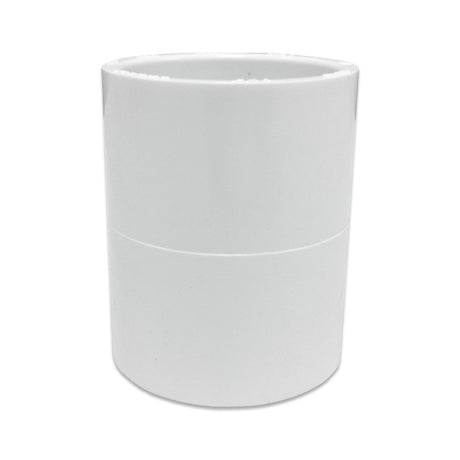
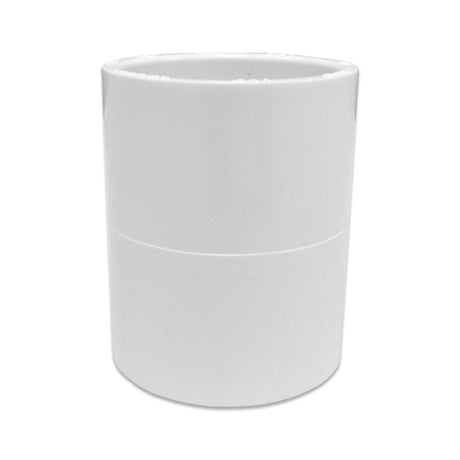
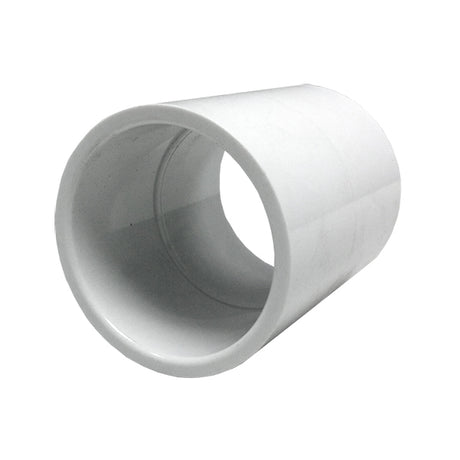
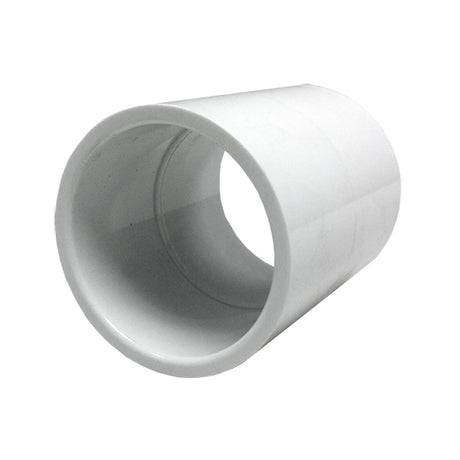
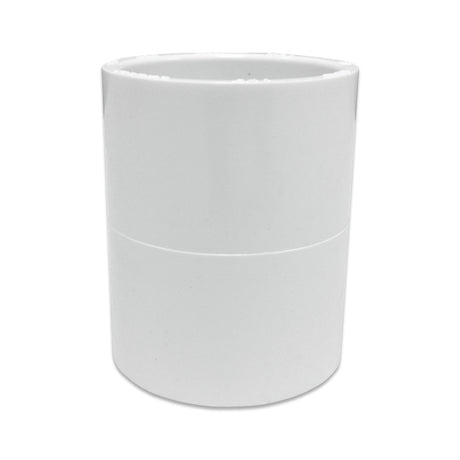
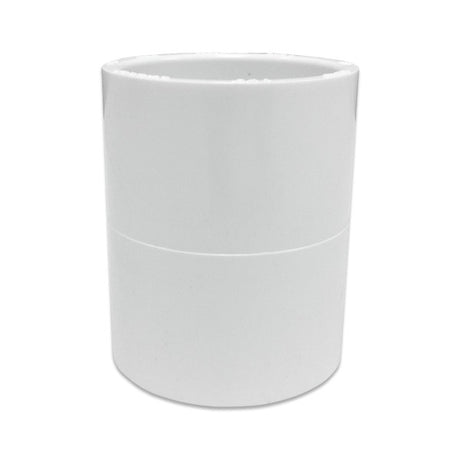
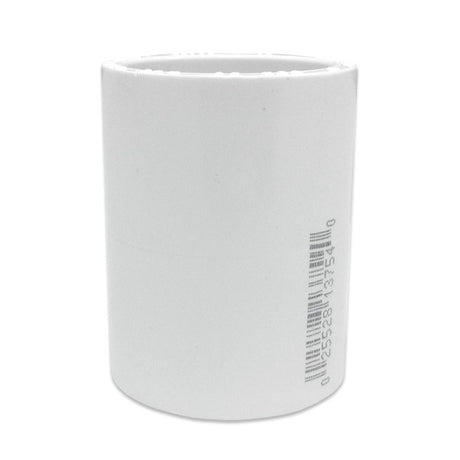
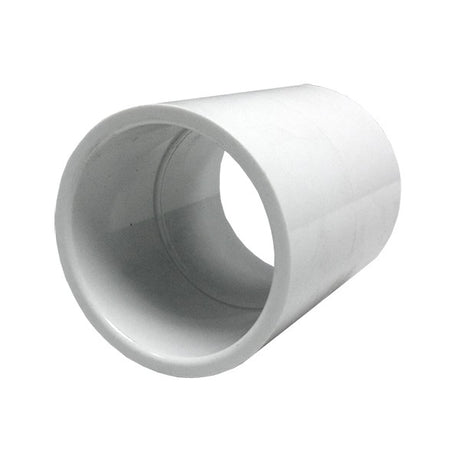
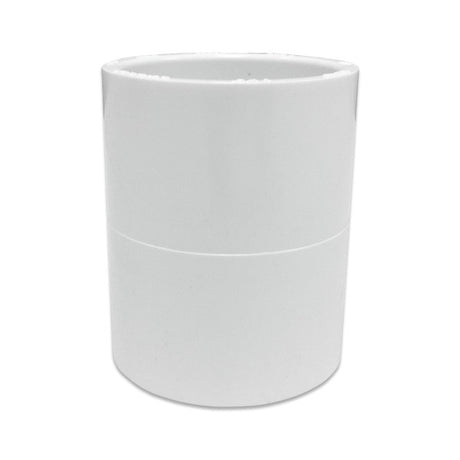
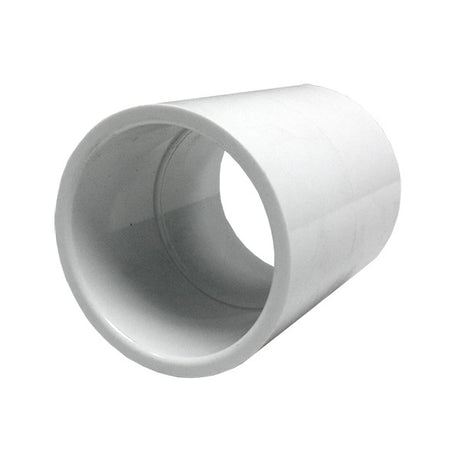
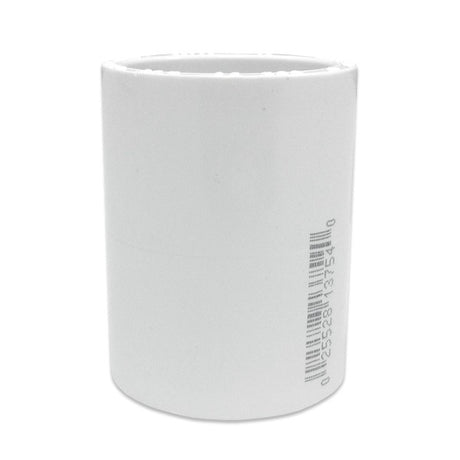
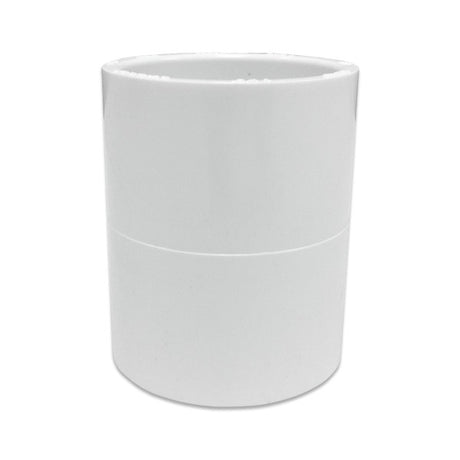
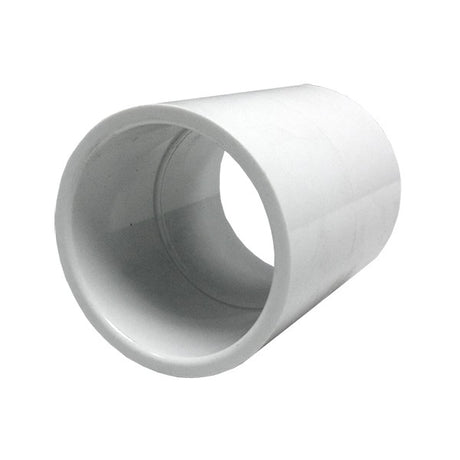
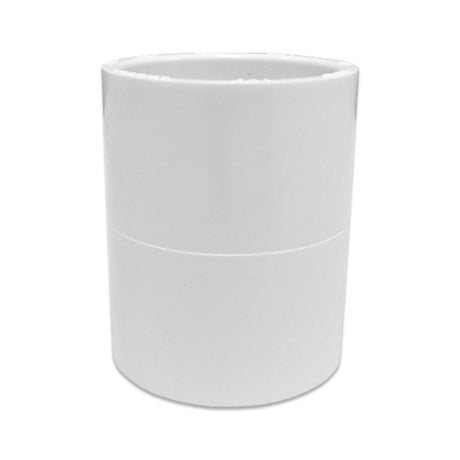
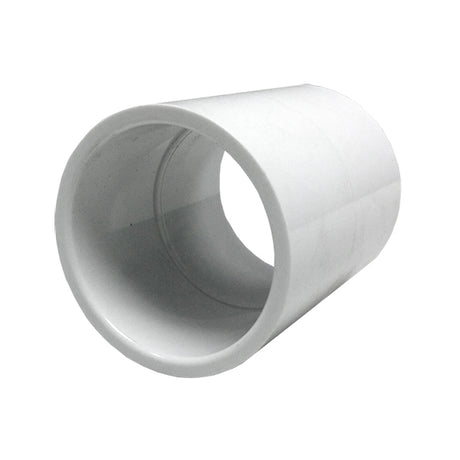
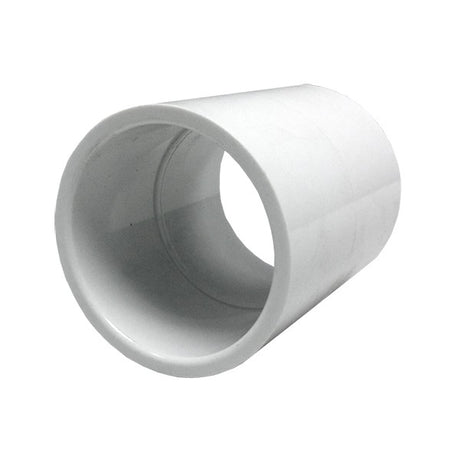
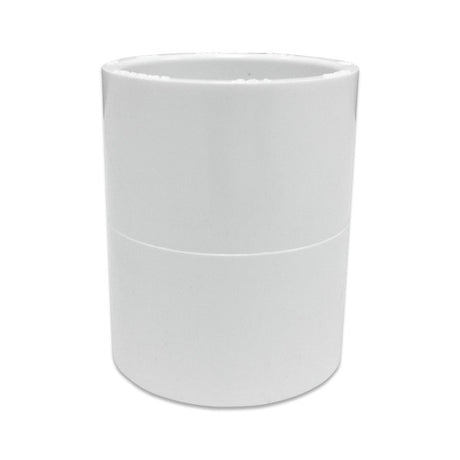
Standard socket couplings (S x S) are the most common style. With a slip socket on each end, they glue directly onto smooth pipe using PVC primer and solvent cement. Use these to join two same-size pipes in a straight run or to extend an existing line.
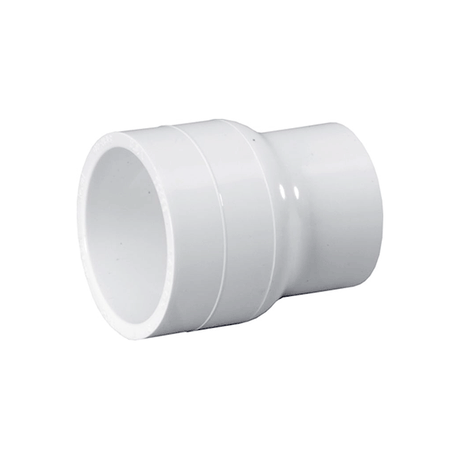
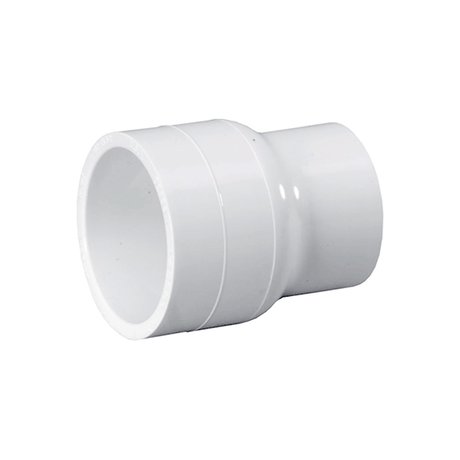
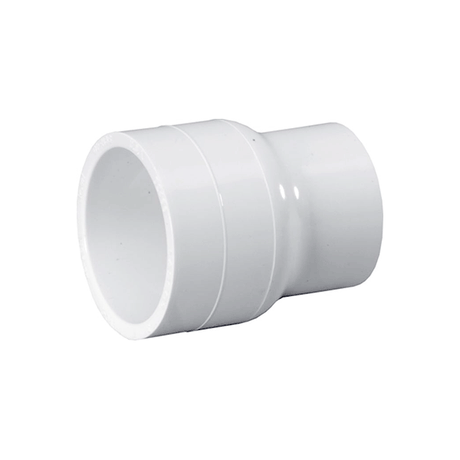
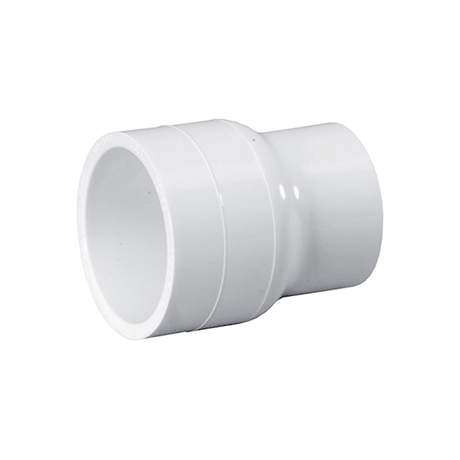
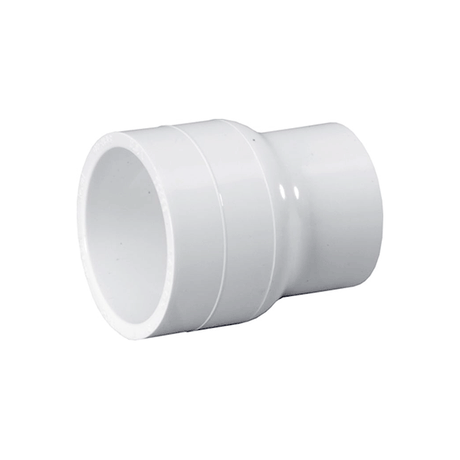
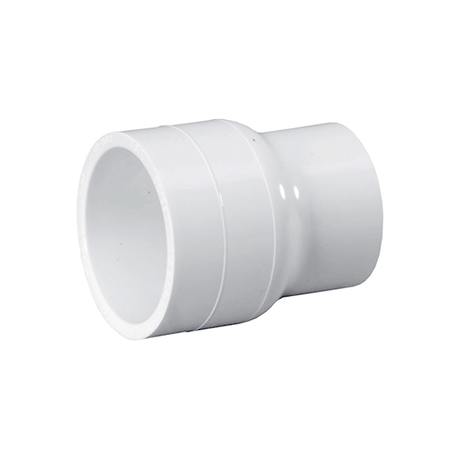
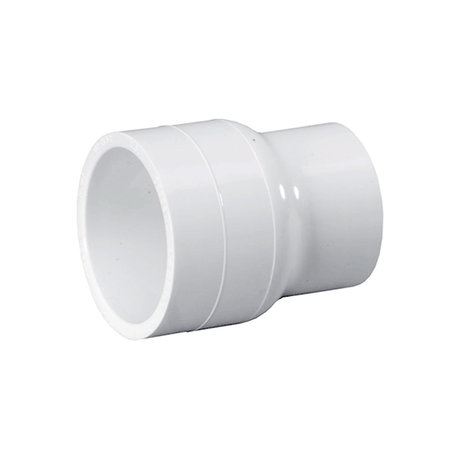
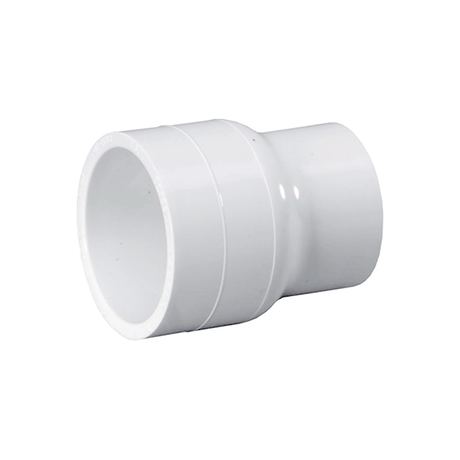
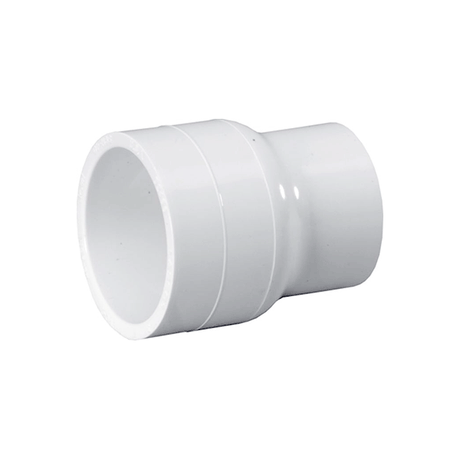
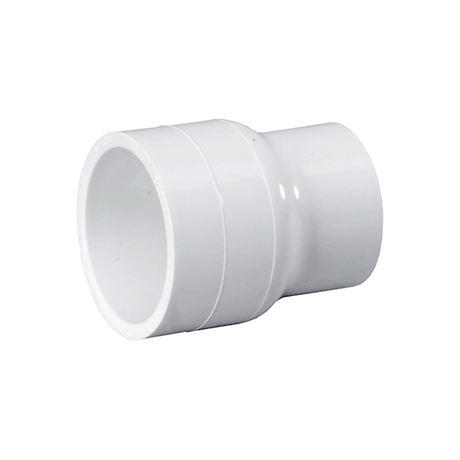
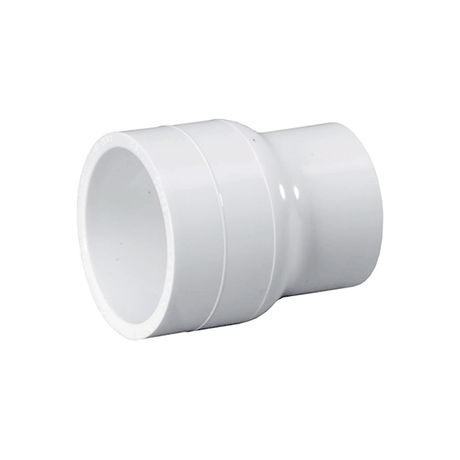
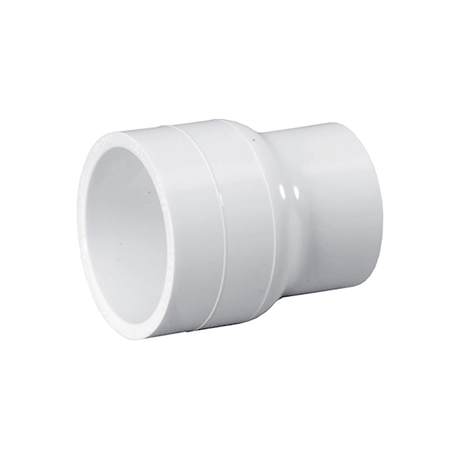
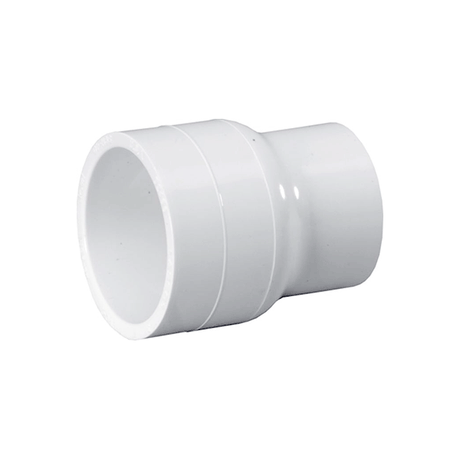
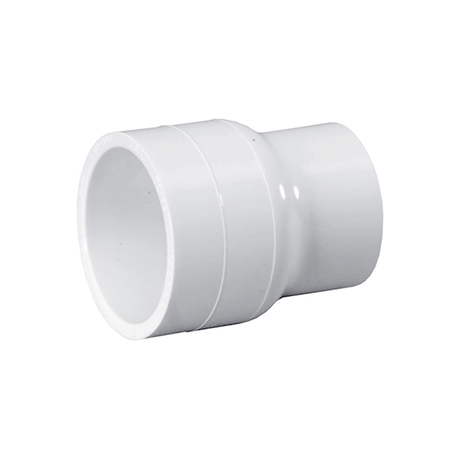
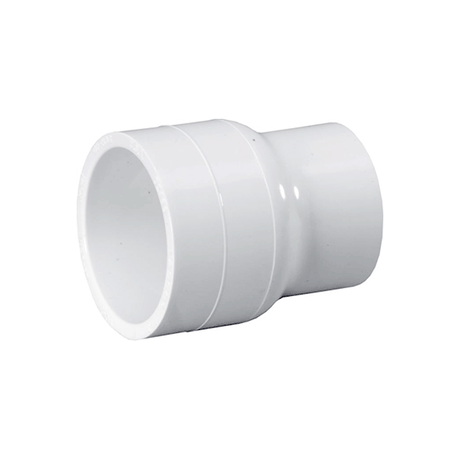
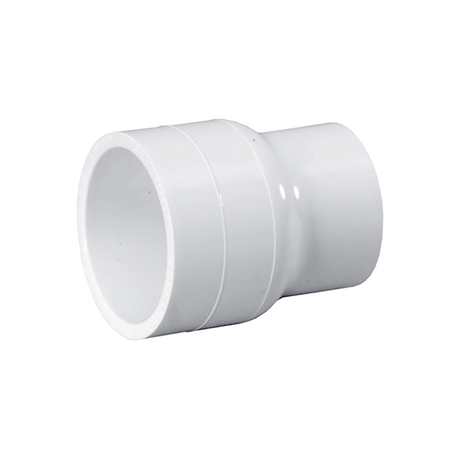
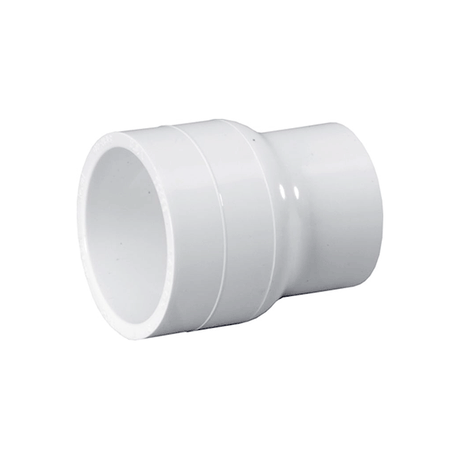
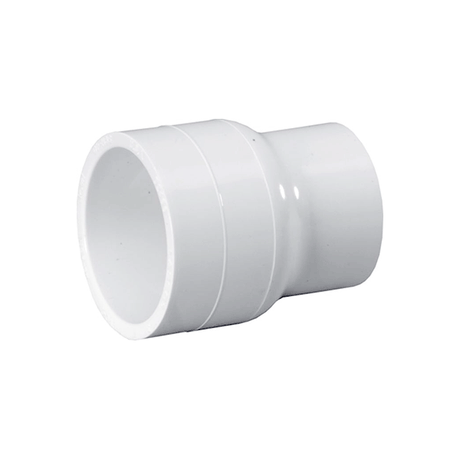
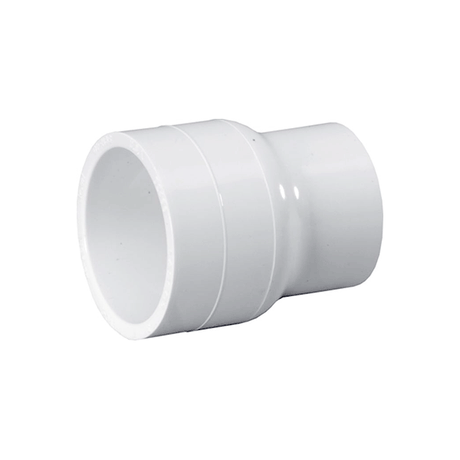
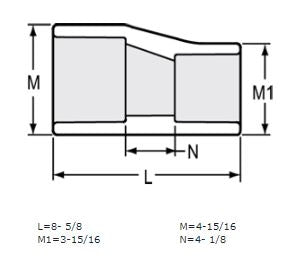
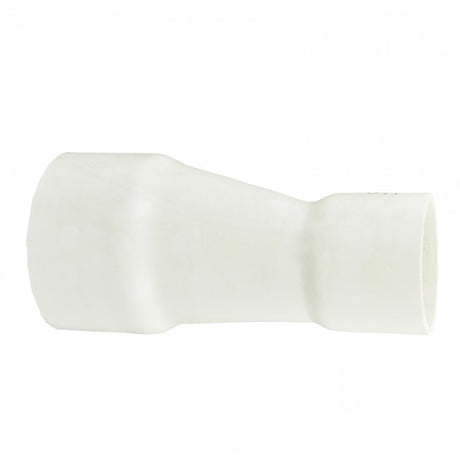
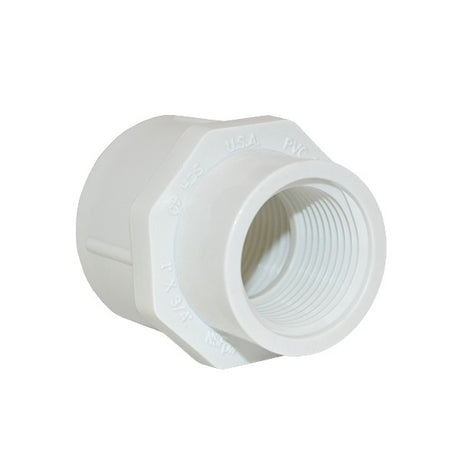
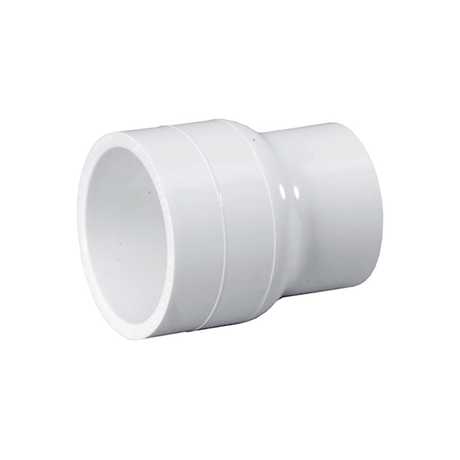
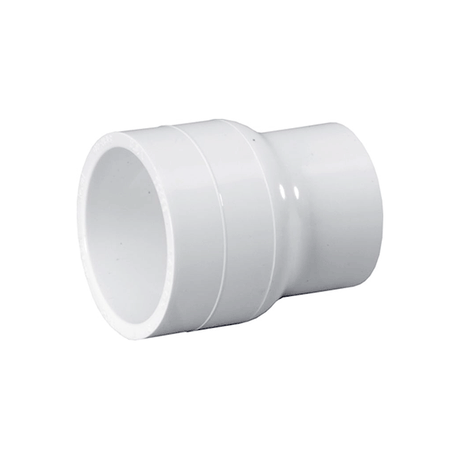
Reducing couplings connect two pipes of different diameters in a single fitting, eliminating the need for a separate bushing. Reducing couplings allow installers to step down pipe size inline — useful for controlling flow rate and pressure in irrigation, pool plumbing, and other systems where diameter transitions are needed.
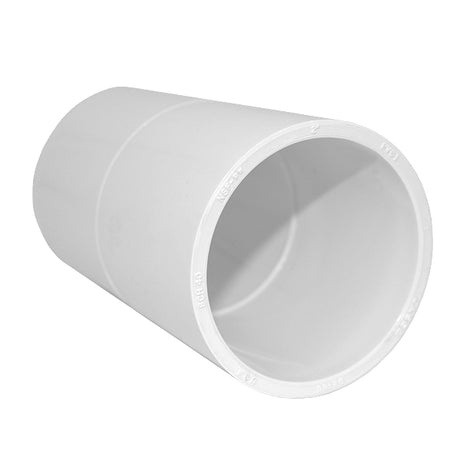
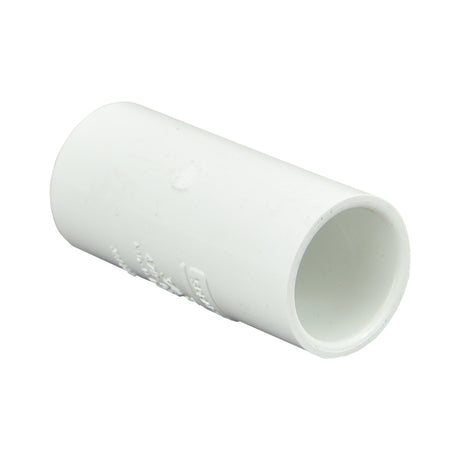
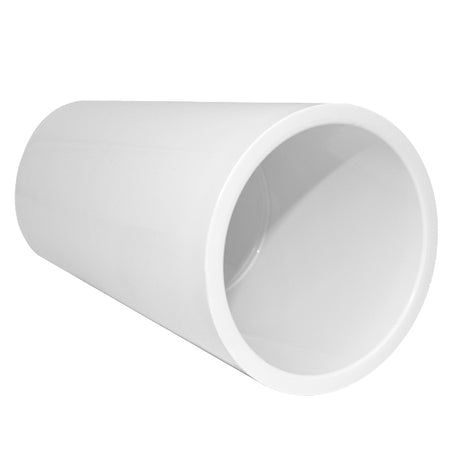
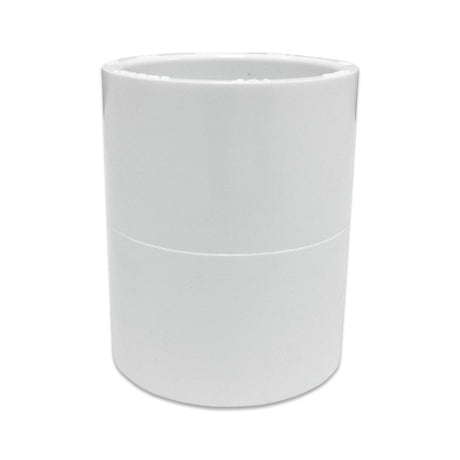
Nested couplings (also called repair couplings or slip couplings) have no internal center stop, allowing the fitting to slide fully along the pipe. This makes them ideal for in-place repairs — slide the coupling over one pipe end, make the repair, then center it over the joint and cement. We carry nested couplings from Spears Manufacturing and Lasco, including the UltraFix compact repair coupling with a slip socket on one end and a spigot on the other for maximum versatility.
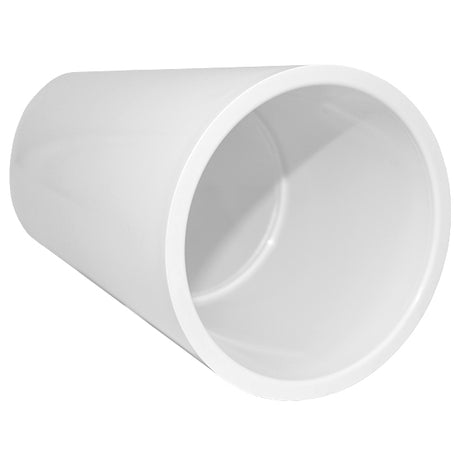
Deep socket couplings feature longer socket depths than standard couplings, providing extra glue surface area and greater pull-out strength. Specified for high-pressure applications or wherever extra joint integrity is required.
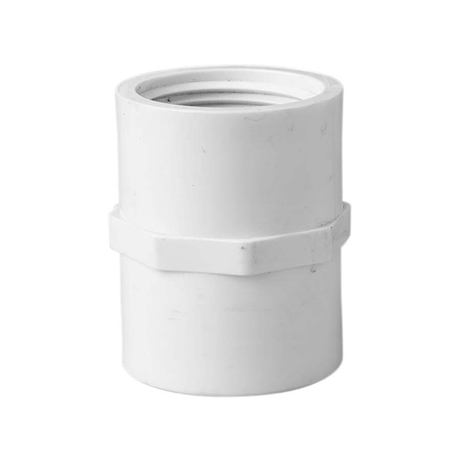
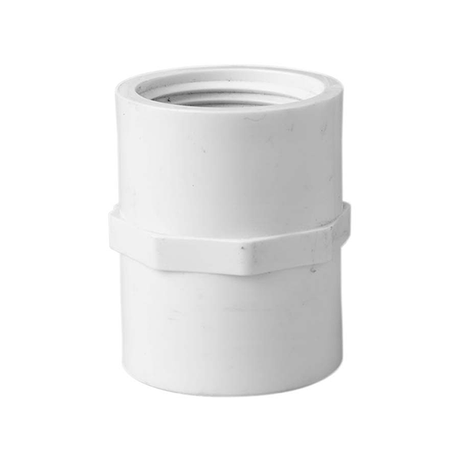
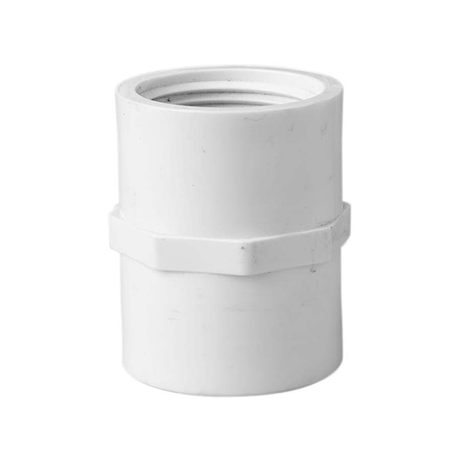
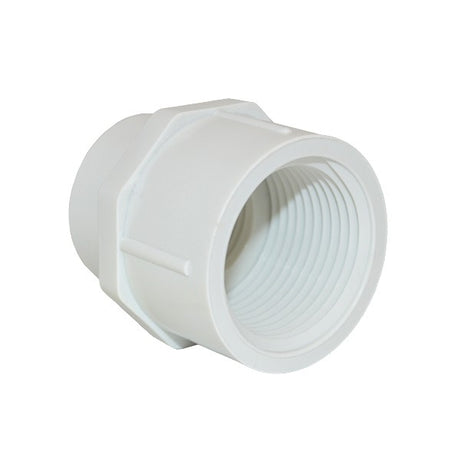
Threaded couplings (FPT x FPT) have female threads on both ends and connect two male-threaded pipes or nipples without cement. Useful wherever the connection may need to be disassembled, or when connecting to threaded pipe in an existing system.
Black Schedule 40 couplings are functionally identical to standard white couplings but in a black finish — commonly used in furniture-grade PVC builds, exposed installations, and decorative applications.
Flexible couplings (Fernco-style) use a rubber elastomeric sleeve with stainless steel clamps to join pipes without cement, including dissimilar materials like PVC to cast iron, ABS, or clay pipe. They are rated for drain, waste, and vent (DWV) applications and are not NSF-61 approved for potable water. Essential for repairs and transitions between pipe materials.
Sizes and connection options
Schedule 40 PVC couplings are available in nominal pipe sizes from 1/4" to 12". Large diameter couplings up to 24" are available on request — contact us for a quote. Connection options include solvent weld socket ends (S x S), female threaded ends (FPT x FPT), and combination ends (S x FPT) depending on the coupling style. Coupling sizes are nominal and correspond directly to the Schedule 40 pipe size they are designed to fit.
How to install a PVC coupling
Installing a standard Schedule 40 PVC coupling is a straightforward process that most homeowners and contractors can complete with basic tools.
What you'll need: PVC primer, PVC solvent cement, a pipe cutter or hacksaw, deburring tool or sandpaper, and a clean rag.
- Cut the pipe square. Use a pipe cutter or fine-tooth saw to make a clean, square cut at the desired location. A skewed cut reduces glue surface area and increases leak risk.
- Deburr the cut end. Remove any burrs or shavings from the cut edge using a deburring tool or sandpaper. Rough edges can score the socket interior and compromise the joint.
- Dry-fit the coupling. Slide the coupling onto the pipe to confirm it seats fully. Mark the insertion depth on the pipe with a pencil so you know how far to push during the glue-up.
- Apply primer. Using the applicator in the primer can, apply PVC primer to the inside of the coupling socket and the outside of the pipe end. Work quickly — primer softens the PVC surface to allow the cement to bond properly. Allow to tack dry for 5–10 seconds.
- Apply solvent cement. Apply an even coat of PVC solvent cement to both the primed pipe end and the primed socket interior. Work quickly; the cement begins setting within seconds.
- Insert and twist. Push the pipe firmly into the coupling socket with a slight quarter-turn twist to spread the cement evenly. Push to your pencil mark.
- Hold for 30 seconds. Hold the joint firmly for 30 seconds to prevent the pipe from backing out while the cement sets.
- Allow to cure. Do not pressure-test for at least 2 hours at room temperature (longer in cold conditions). Full cure takes 24 hours.
For threaded couplings, apply PTFE thread tape to the male threads before assembly and hand-tighten plus 1–2 additional turns with a strap wrench. Do not over-tighten — PVC threads will crack under excess torque.
How to repair a PVC coupling
A damaged or leaking coupling can be repaired using a nested (slip) repair coupling without excavating the full pipe run.
- Shut off water and depressurize the line. Open a downstream valve or fixture to release residual pressure.
- Cut out the damaged coupling. Use a pipe cutter or hacksaw to remove the damaged section. Make both cuts squarely and ensure you remove enough pipe that the replacement coupling can slide on freely.
- Measure the gap. Note the distance between the two pipe ends. Your replacement coupling needs to bridge this gap — nested couplings are ideal here since they have no center stop.
- Prepare the pipe ends. Deburr both cut ends and clean with a rag. If the old cement is rough or uneven, sand it smooth.
- Slide the repair coupling onto one pipe end. Push it far enough that the opposite pipe end can be aligned and inserted.
- Prime and cement both joints. Apply primer and solvent cement to both pipe ends and both socket ends of the coupling, then center the coupling over the joint and hold for 30 seconds.
- Cure before repressurizing. Allow at least 2 hours before turning water back on. For underground repairs, backfill only after a successful pressure test.
For repairs to DWV (drain) lines, coupling replacement follows the same steps but primer is optional depending on your local code — check before proceeding.
Common problems with PVC couplings
Leaking joints are the most common issue and almost always result from installation error rather than a defective fitting. The main causes are: insufficient primer or cement coverage, cement that skinned over before the pipe was inserted, pipe not pushed fully into the socket, or movement of the joint before the cement set. A leaking solvent-weld joint cannot be re-glued — the damaged section must be cut out and replaced using a repair coupling.
Cracked fittings can occur if the pipe or coupling was pressurized before the cement fully cured, if a threaded coupling was over-tightened, or if the fitting was exposed to impact or freeze-thaw cycles in an unprotected outdoor installation. PVC becomes brittle in temperatures below freezing, so above-ground systems in cold climates should be winterized by draining the line before temperatures drop.
UV degradation affects exposed PVC over time, causing the surface to become chalky and brittle. While couplings buried underground are unaffected, above-ground installations exposed to direct sunlight should be painted with a water-based latex paint or covered to slow UV breakdown.
Wrong cement used. Using regular rigid PVC cement on flexible PVC pipe, or using all-purpose "transition" cement, can result in joints that fail under pressure or flexing. Always match your cement to your pipe type — use dedicated flexible PVC cement for flex pipe and standard solvent cement for Schedule 40 rigid pipe.
Galvanic corrosion at dissimilar material joints. If connecting PVC to metal pipe, use a flexible coupling (Fernco-style) rather than a direct threaded connection. Direct metal-to-PVC threaded joints can loosen over time as the materials expand and contract at different rates.
Maintenance requirements
PVC couplings in properly installed, buried systems require virtually no maintenance. The material does not rust, corrode, or degrade in soil contact, and solvent-welded joints are permanent. For above-ground and exposed installations, the following periodic checks are recommended:
- Annual visual inspection. Check visible couplings and joints for signs of leaks (moisture staining, mineral deposits), surface cracking, or UV discoloration. Address any issues before they progress.
- Winterization. Drain any above-ground or uninsulated PVC lines before the first hard freeze. Standing water in a sealed PVC system can cause couplings to crack if it freezes and expands.
- UV protection maintenance. If above-ground couplings are painted for UV protection, touch up the paint every 2–3 years or whenever peeling or chalking is visible.
- Threaded connection checks. Threaded couplings under regular service (seasonal irrigation, systems with pump vibration) should be checked annually for loosening. Re-apply thread tape and re-tighten if any weeping is detected.
- No chemical cleaning required. PVC is naturally resistant to the minerals, chlorine, and common chemicals found in water systems. Avoid using solvent-based cleaners near PVC joints, as they can soften and weaken the cement bond.
Applications and uses
PVC couplings are used wherever multiple sections of Schedule 40 PVC pipe need to be joined into a continuous system. Common applications include:
- Residential plumbing — extending cold water supply lines, connecting pipe runs in utility rooms, basements, and crawlspaces
- Irrigation systems — joining zone lines, extending mainlines, connecting to risers and valves
- Pool and spa plumbing — connecting pump lines, filter returns, and skimmer plumbing
- Commercial construction — water distribution, drainage, and process piping
- Industrial fluid handling — chemical-resistant properties make PVC suitable for many non-solvent chemical transfer applications
- DWV systems — drain, waste, and vent connections using DWV-rated couplings
Quality and safety standards
All standard Schedule 40 PVC couplings we stock meet the following industry standards:
- ASTM D-1784 — material specification for PVC compounds, covering physical properties including tensile strength, impact resistance, and heat deflection
- ASTM D-2466 — dimensional standard for Schedule 40 PVC socket fittings, ensuring consistent sizing across manufacturers
- NSF/ANSI 14 — product standard for plastic piping components
- NSF/ANSI 61 — certification for drinking water system components; confirms the fitting material does not leach harmful substances into potable water
Flexible (Fernco-style) couplings meet ASTM D5926 and C1173 standards but are not NSF-61 rated and should not be used in potable water systems.
Coupling vs. union — which do you need?
A coupling creates a permanent, cemented connection. Once glued, the joint cannot be disassembled without cutting. A union is a three-piece fitting that can be unthreaded and separated for future access — ideal wherever serviceability matters, such as pump connections, filter housings, or equipment that will require maintenance. If you may ever need to disconnect the joint, use a union instead of a coupling.