
Fittings by Material


Fittings by Type


-
-
-
-
-
-
-
-
-
-
-
-
-
-
-
-
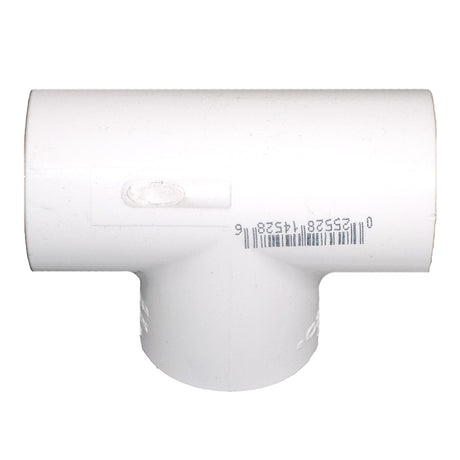
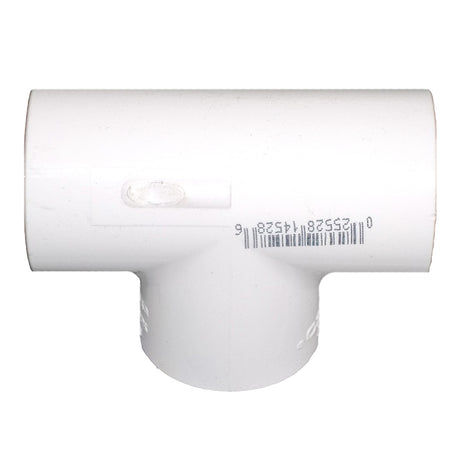
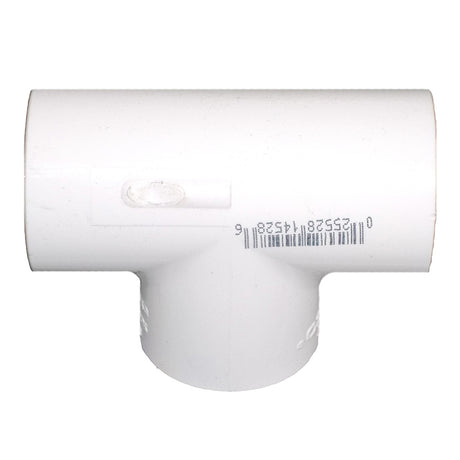
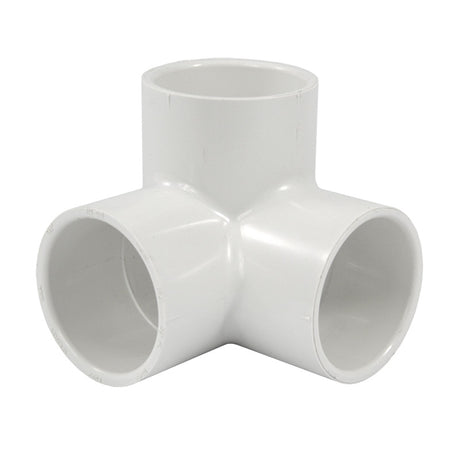
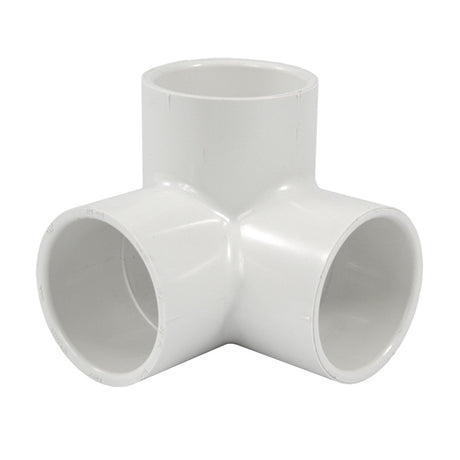
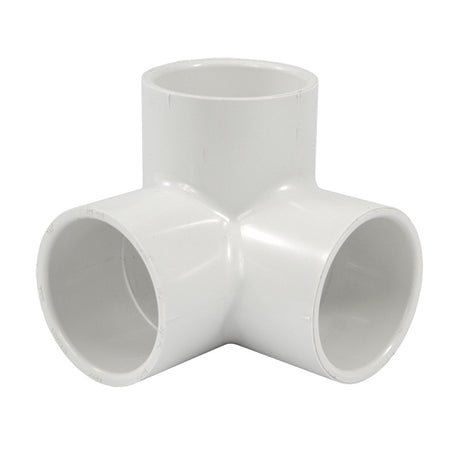
3/4" Schedule 40 PVC Tee - Socket x Socket x Socket (401-007)
In stock$0.57Unit price /Unavailable -
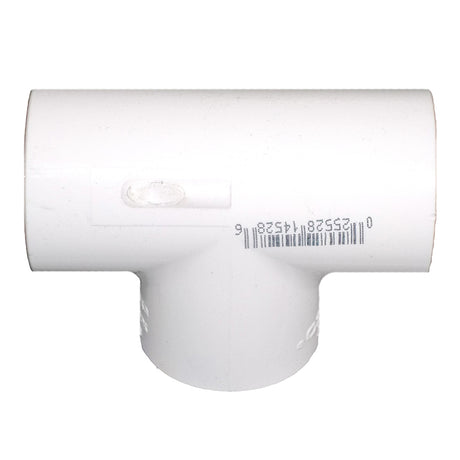
1-1/2" Schedule 40 PVC Tee - Socket x Socket x Socket (401-015)
In stock$2.00Unit price /Unavailable -
-
-
-
-
-
-
-
-
-
-
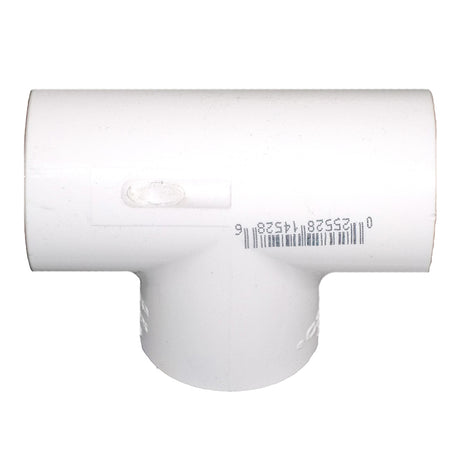
1/2" Schedule 40 PVC Tee - Socket x Socket x Socket (401-005)
In stock$0.51Unit price /Unavailable -
-
-
-
-
-
-
-
-
-
-
-
-
-
-
-
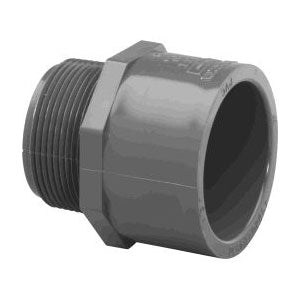
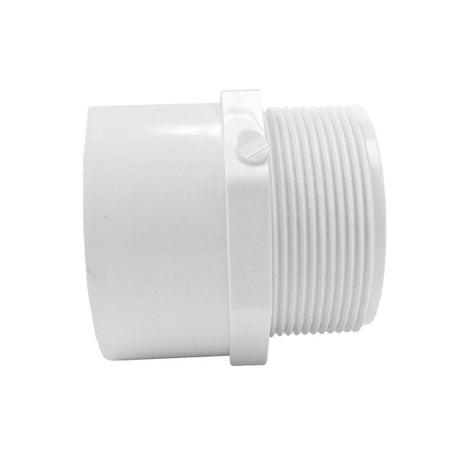
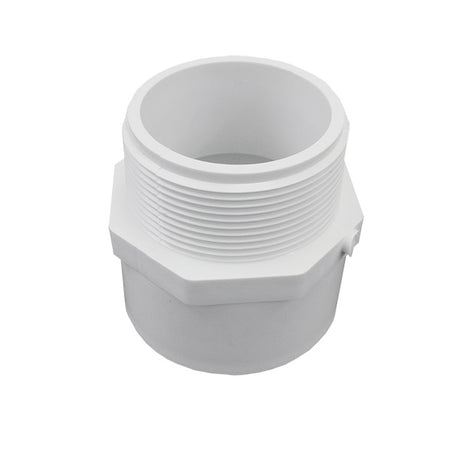
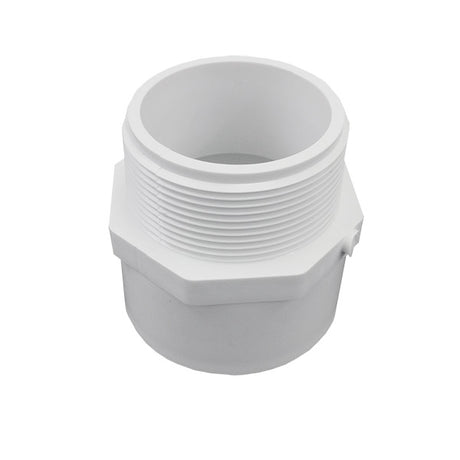
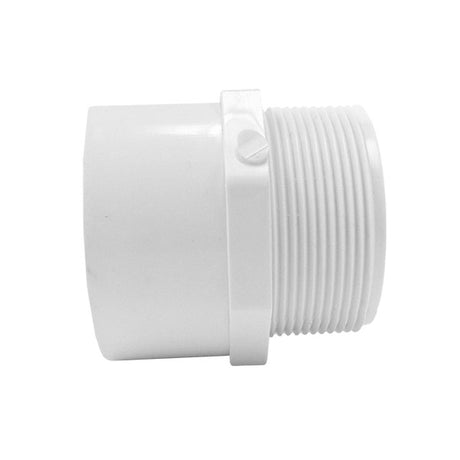
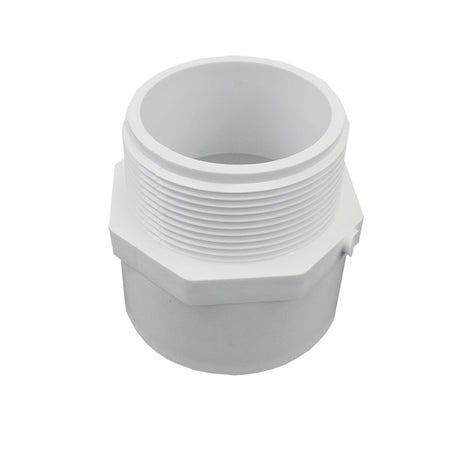
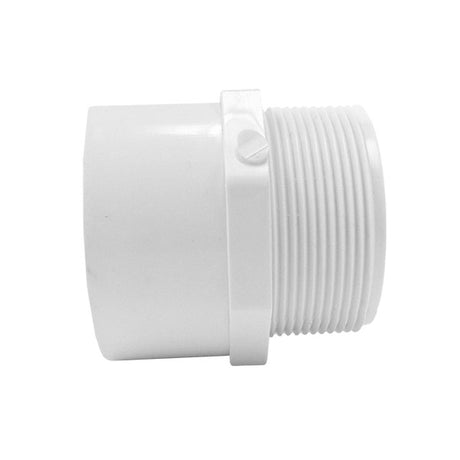
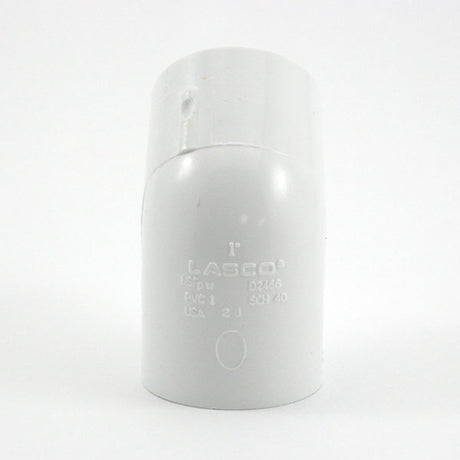
1-1/2" Schedule 40 PVC Male Adapter - MIPT x Socket (436-015)
In stock$1.13Unit price /Unavailable -
-
-
-
-
-
-
-
-
-
-
-
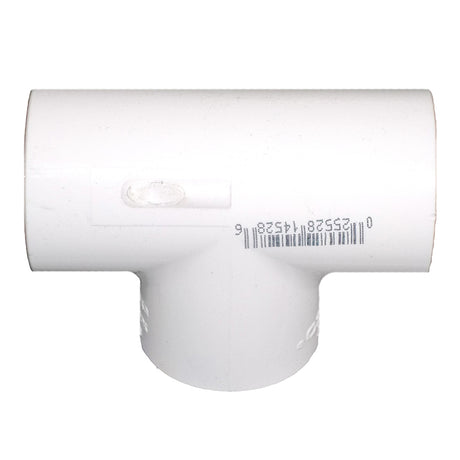
1-1/4" Schedule 40 PVC Tee - Socket x Socket x Socket (401-012)
In stock$1.67Unit price /Unavailable -
-
-
-
-
-
-
-
-
-
-
-
-
-
-
-
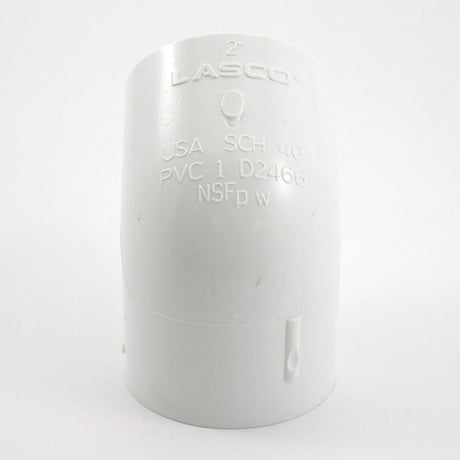
Understanding Fitting Materials
The material a fitting is made from determines its temperature range, chemical compatibility, and the types of systems it is approved for.
- Schedule 40 PVC is the standard for cold water plumbing, irrigation, pool and spa, drainage, and DIY structural projects. White in color, rated to 140°F, and the most affordable option. Over 1,600 products are available in sizes from 3/8 inch to 24 inches.
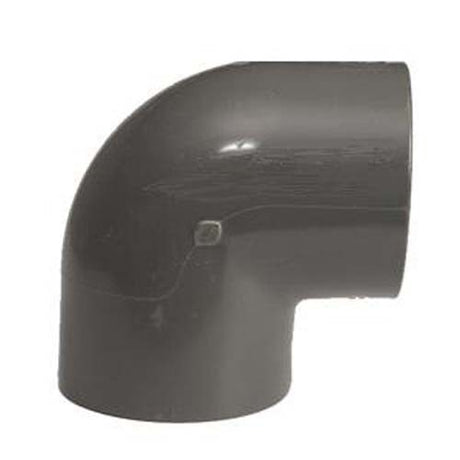
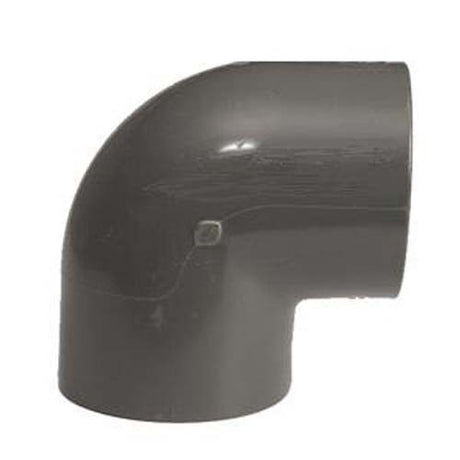
- Schedule 80 PVC has thicker walls for higher pressure ratings and greater impact resistance. Dark gray in color. Used in industrial, chemical processing, and commercial applications where Schedule 40 is not strong enough. It is also the only PVC schedule that can be threaded.
- CPVC (Schedule 80) handles temperatures up to 200°F and resists a wider range of chemicals than PVC. Light gray in color. Used in chemical processing, hot water systems, and fire suppression.
- CTS CPVC uses copper tube sizing for direct replacement of copper in hot and cold water distribution. Tan in color. Rated to 180°F at 100 PSI.
- Clear PVC is transparent for visual monitoring of flow and system conditions. Used in laboratories, food processing, and clean rooms. Compatible with standard PVC pipe and cement.
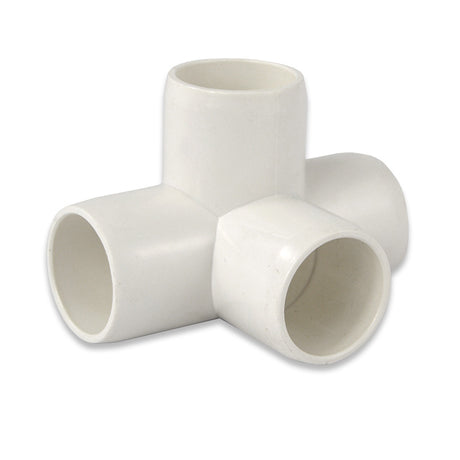
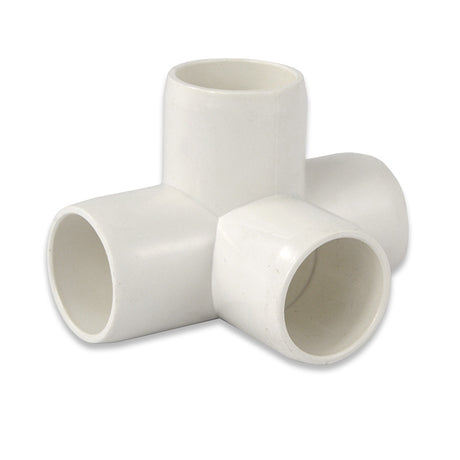
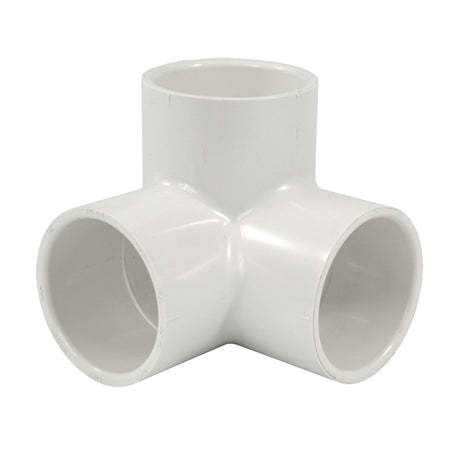
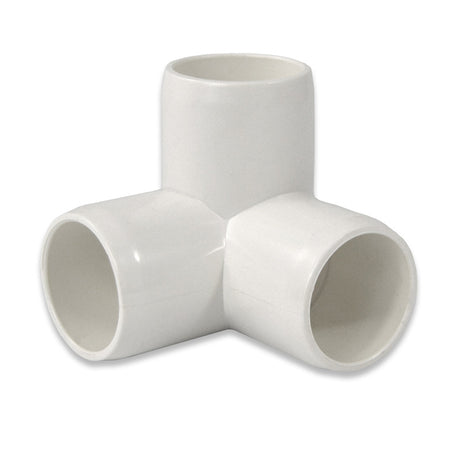
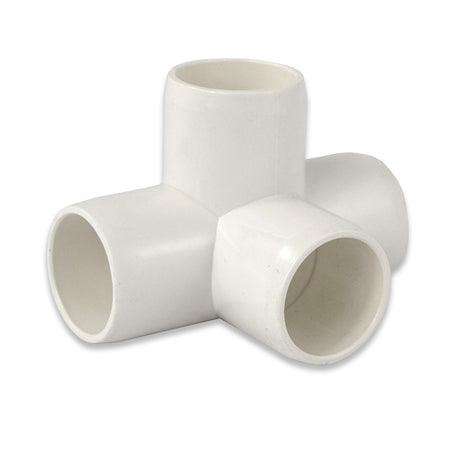
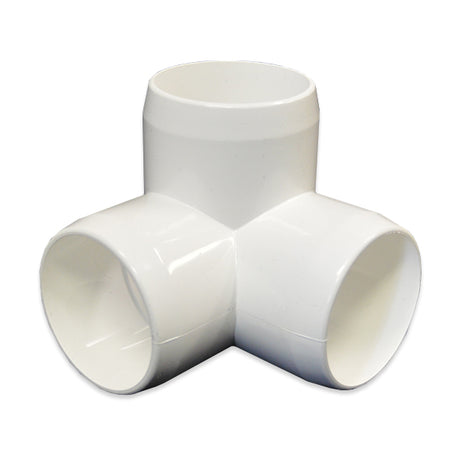
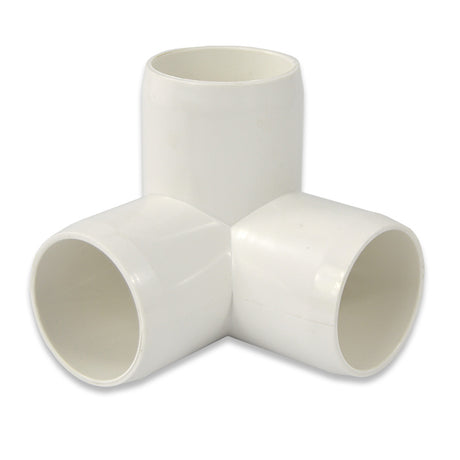
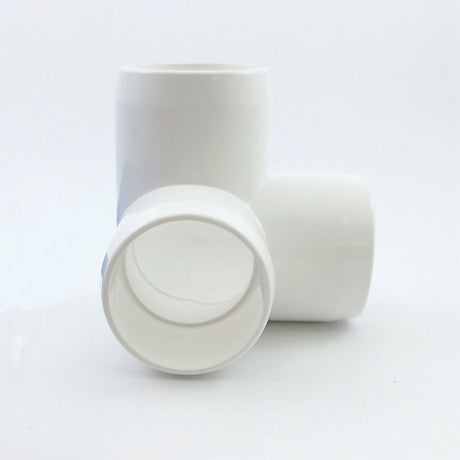
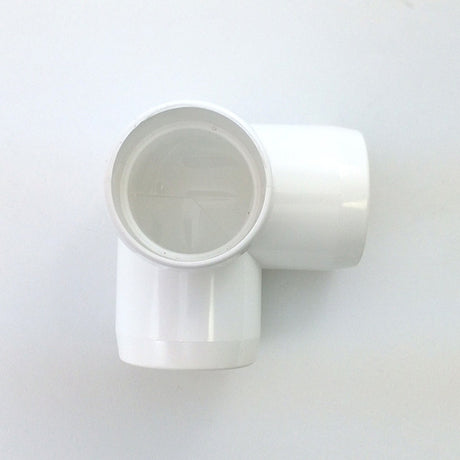
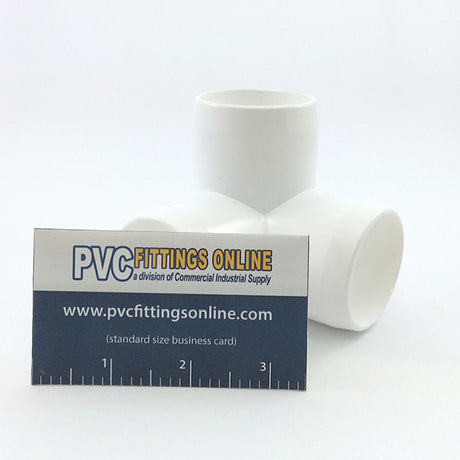
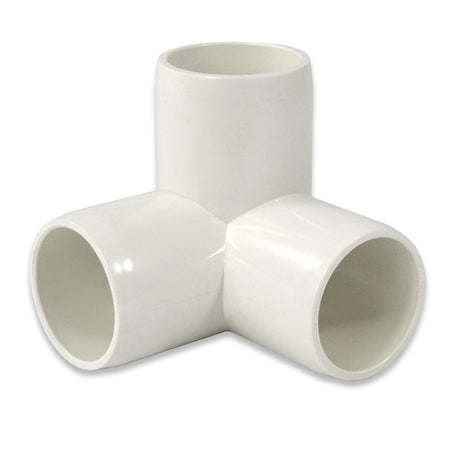
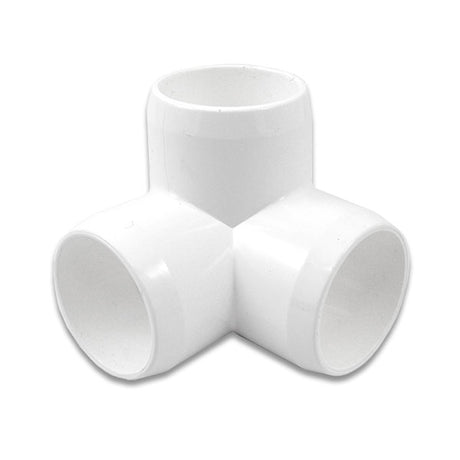
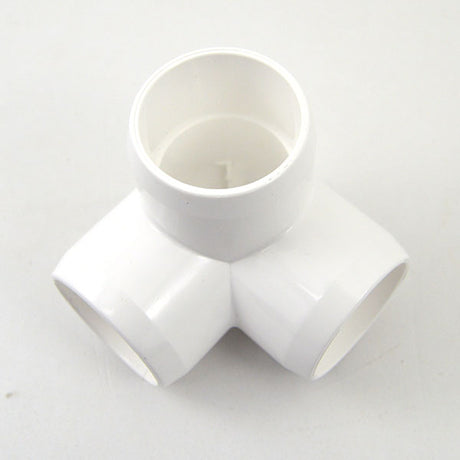
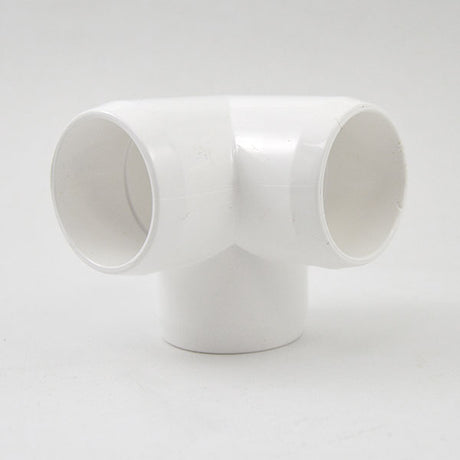
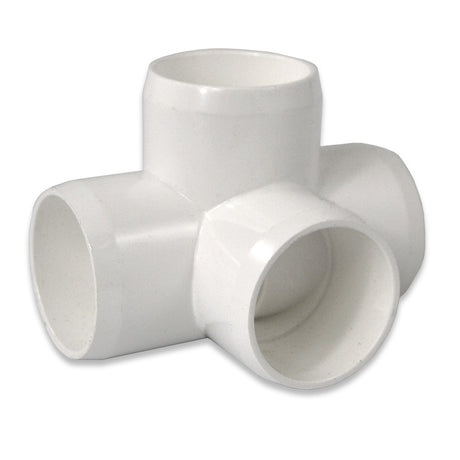
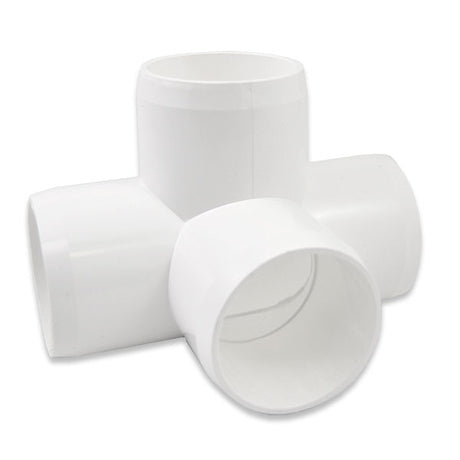
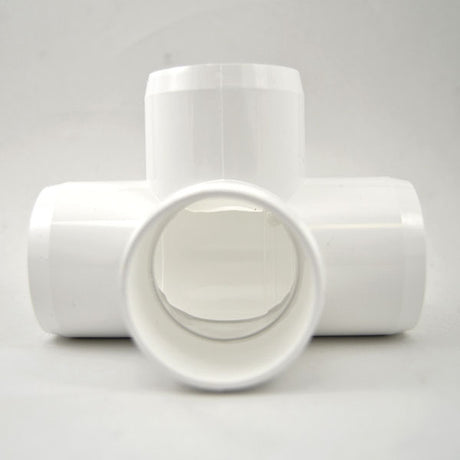
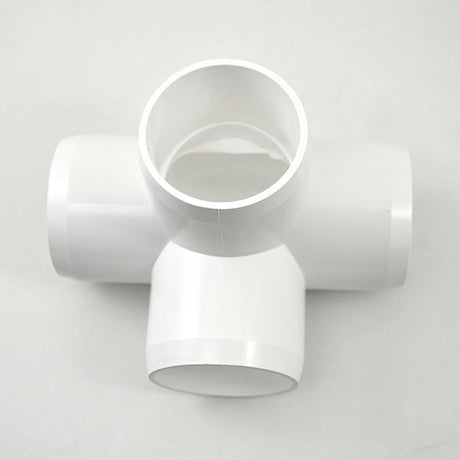
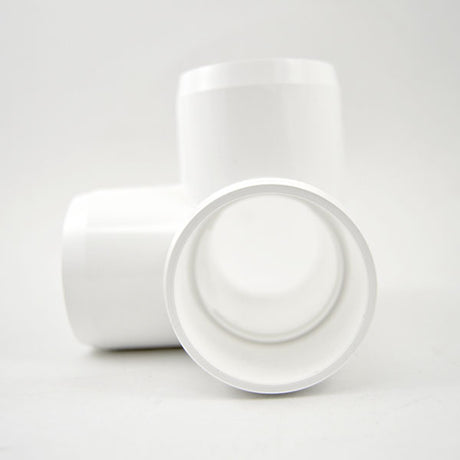
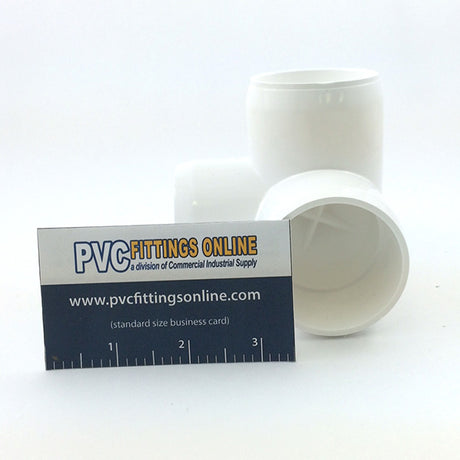
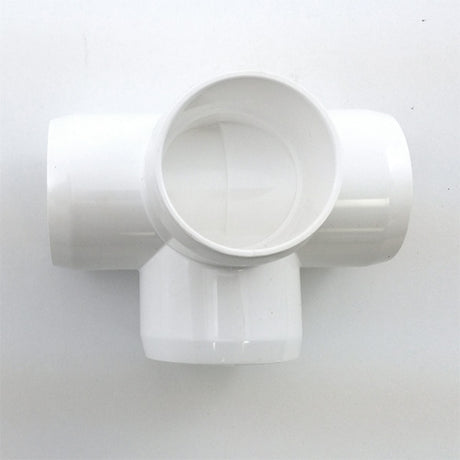
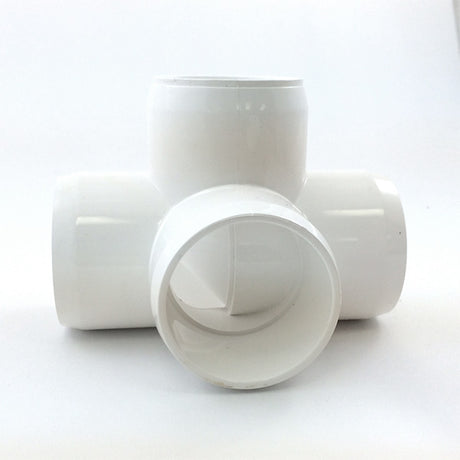
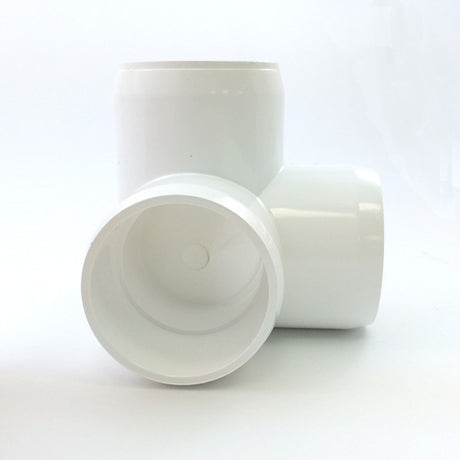
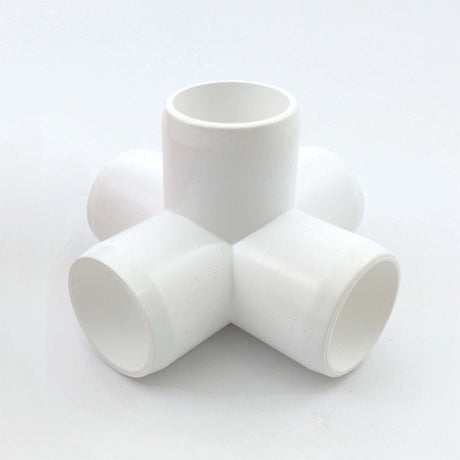
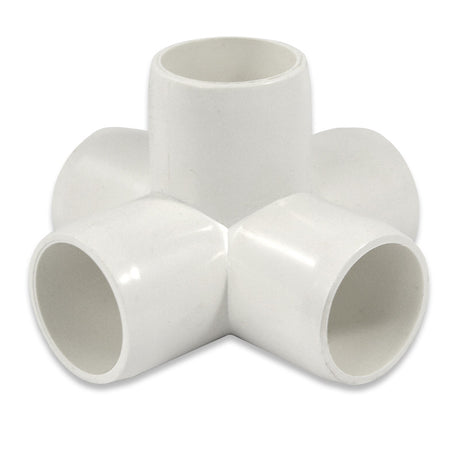
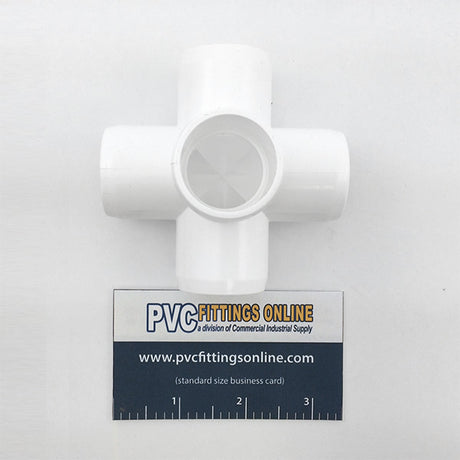
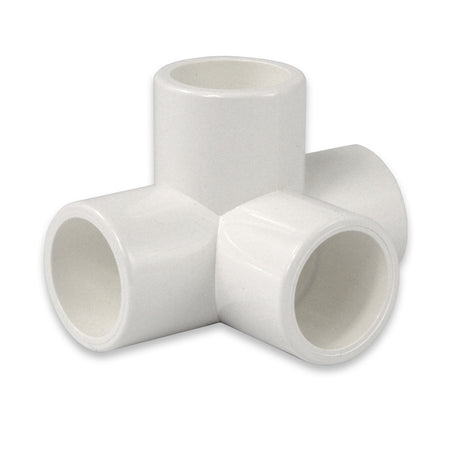
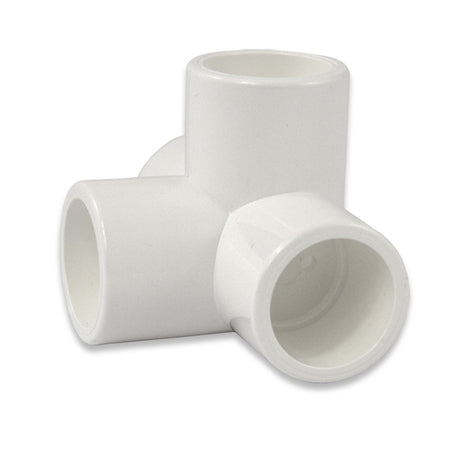
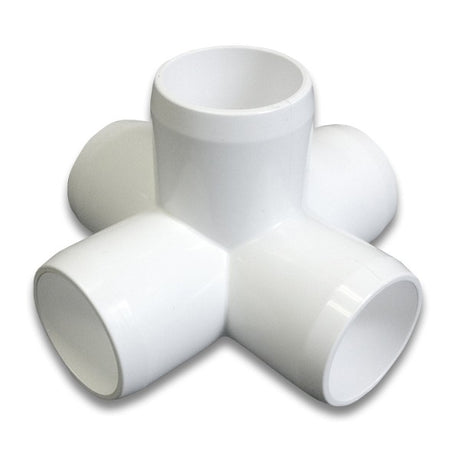
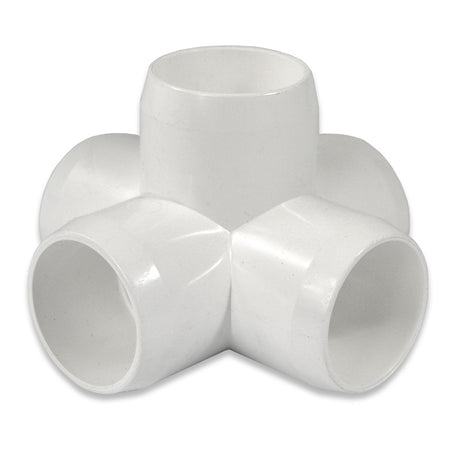
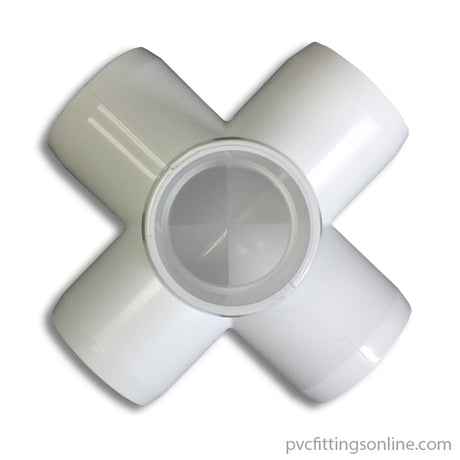
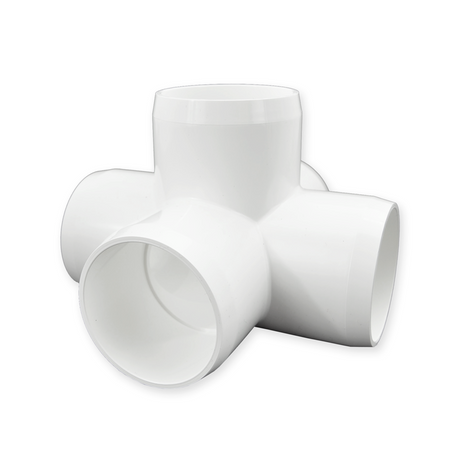
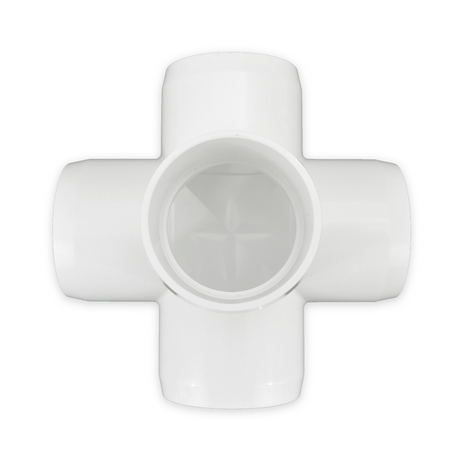
- Furniture-Grade PVC has a glossy finish, no markings, UV stabilizers, and multi-directional configurations such as 3-way, 4-way, and 5-way fittings that are not available in plumbing grade. Designed for structural and aesthetic builds, not pressurized systems.
- Black Schedule 40 PVC is the same Schedule 40 material in black for UV-exposed installations, decorative builds, and applications where a dark color is preferred.
- DWV fittings are designed specifically for drain, waste, and vent systems with gentler sweeps and curves that promote smooth drainage flow.
- PVC Duct and CPVC Duct fittings are designed for non-pressurized industrial exhaust and fume handling. These fittings use their own sizing system and are not interchangeable with pressure fittings.
- Push-On PVC fittings use a gasket seal instead of solvent cement, allowing for faster assembly and easier disassembly.
- Garden Hose Adapters bridge the gap between garden hose threads, or GHT, and PVC pipe connections. These are needed because hose threads and pipe threads use different standards.
About Fitting Types
Each fitting type serves a specific function within a piping system. Here is what each one does and when you would typically use it.
- Tees create a branch connection, splitting or merging flow at a 90° angle from the main run.
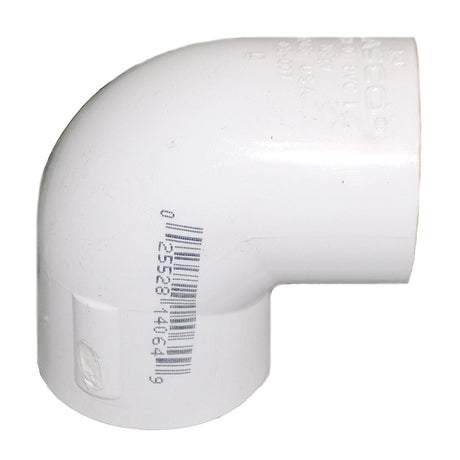
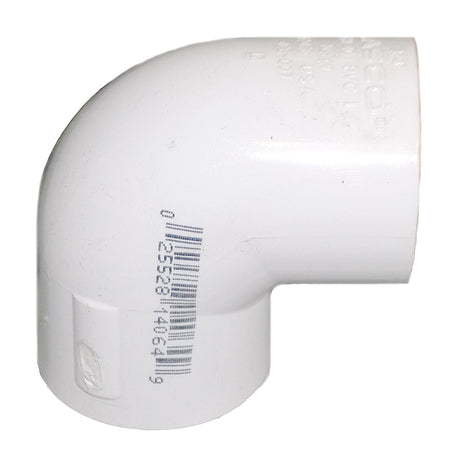
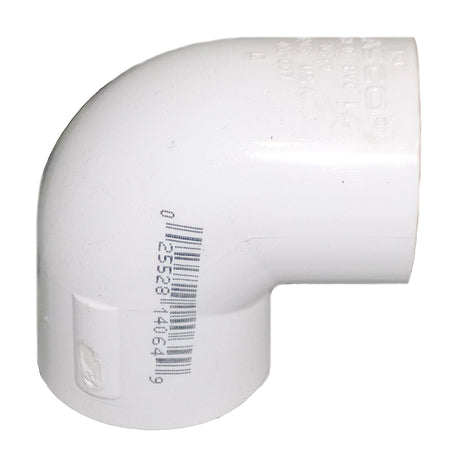
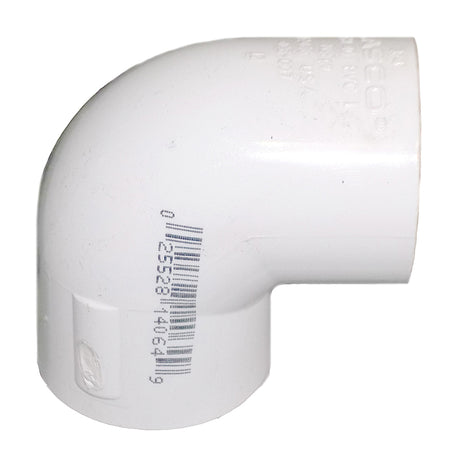
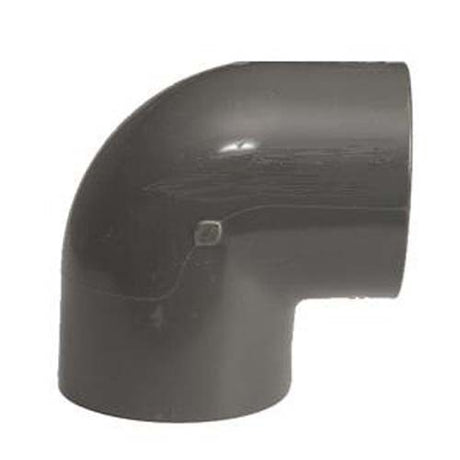
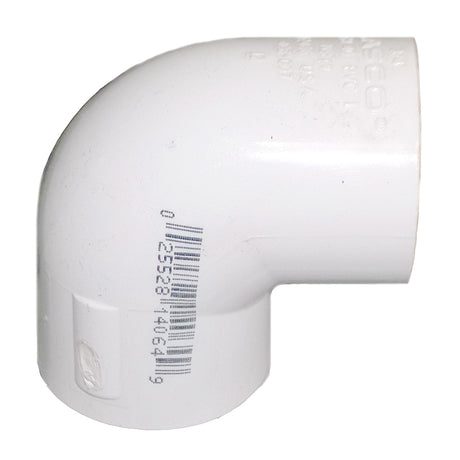
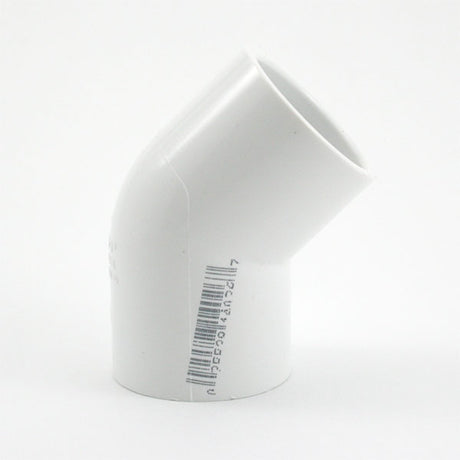
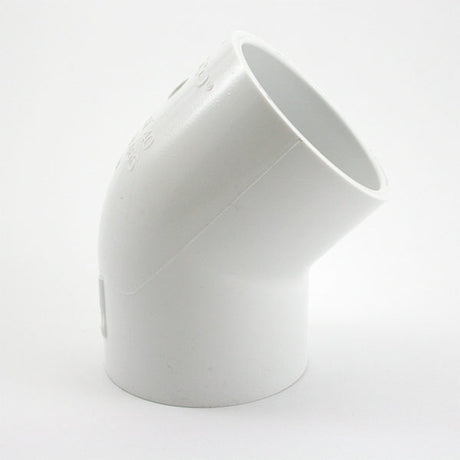
- Elbows change direction. 90° elbows make a right-angle turn, while 45° elbows make a gentler bend with less flow restriction. Street elbows, or spigot x socket fittings, connect directly into another fitting without requiring a short piece of pipe between them.
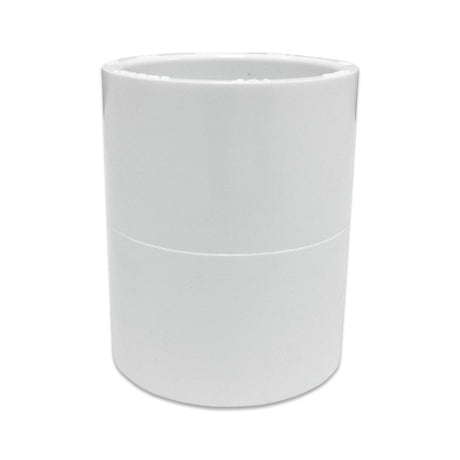
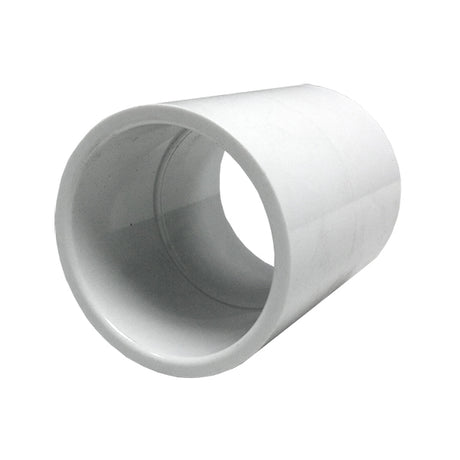
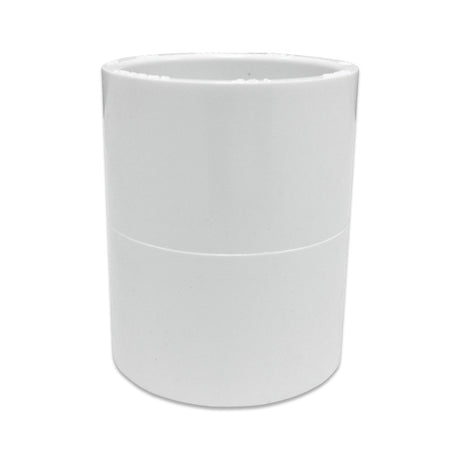
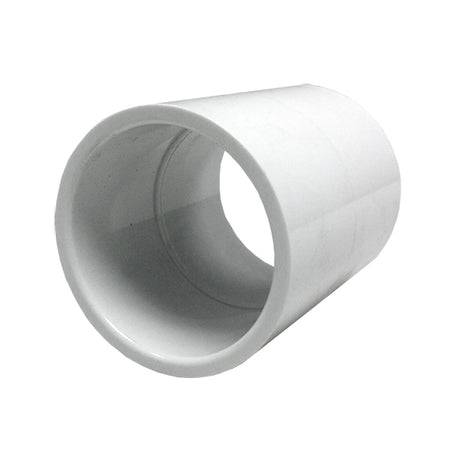
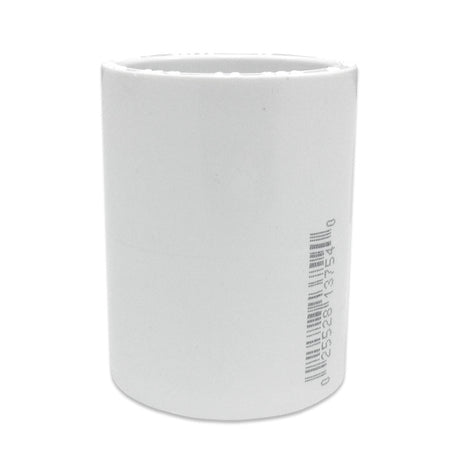
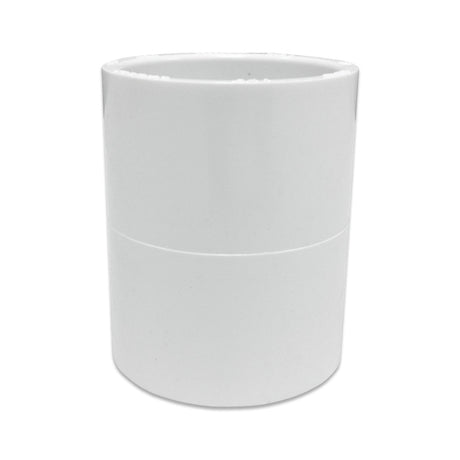
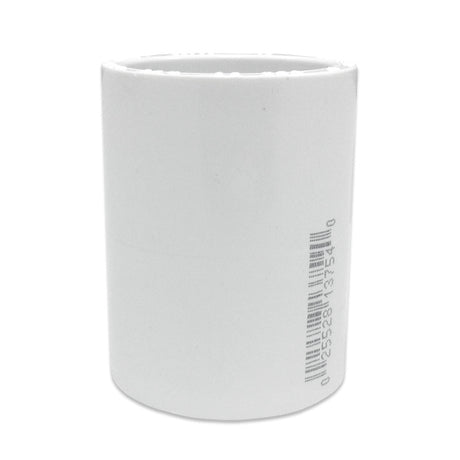
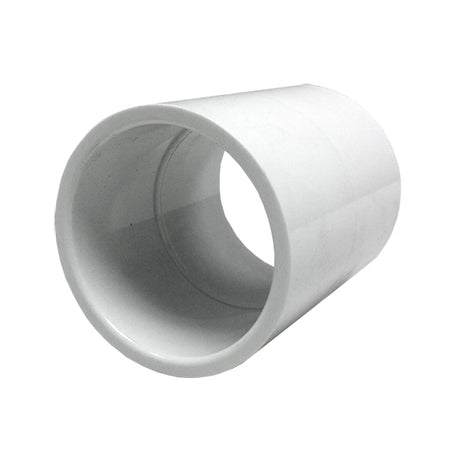
- Couplings join two lengths of pipe in a straight line. Standard couplings connect the same size on both ends, while reducing couplings transition between two different pipe sizes.
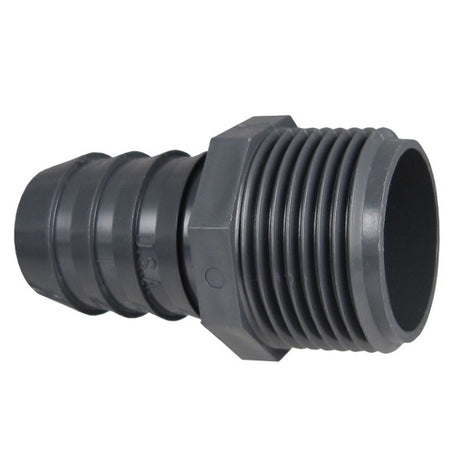
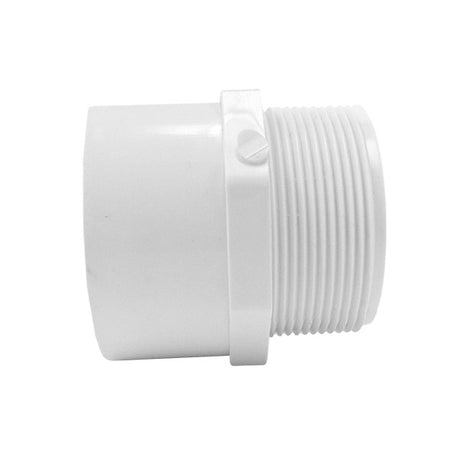
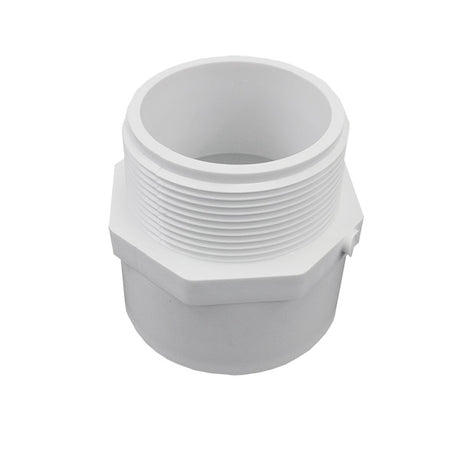
- Adapters transition between connection types rather than pipe sizes. Male adapters add external threads to the end of a pipe run. Female adapters add internal threads. Insert adapters connect rigid PVC to flexible tubing.
- Unions create a removable connection point so you can disconnect a section of pipe without cutting. They are typically installed near equipment such as pumps, filters, and water heaters that may need to be serviced.
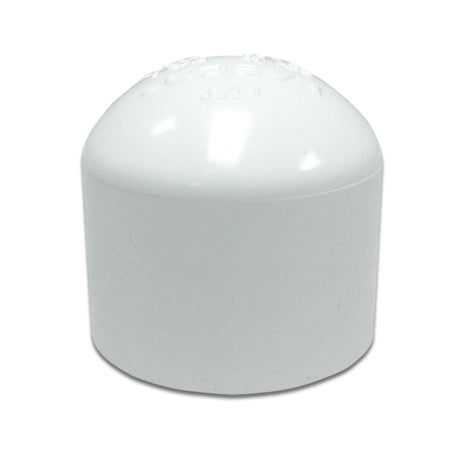
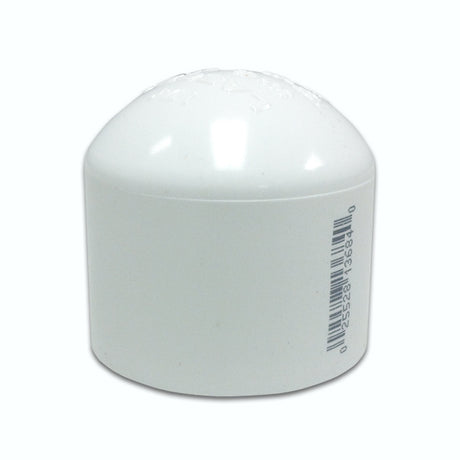
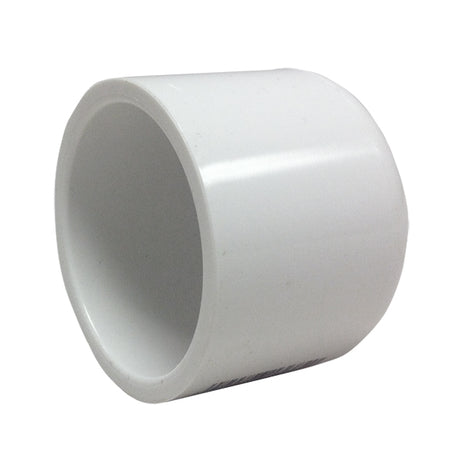
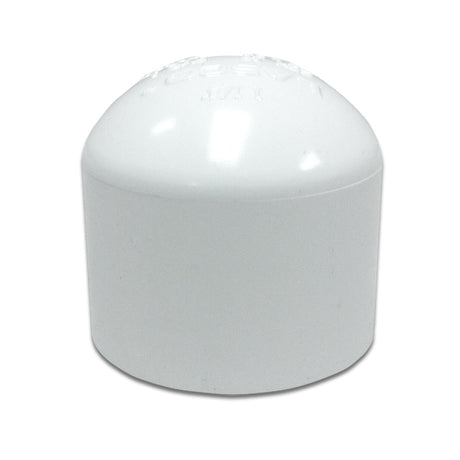
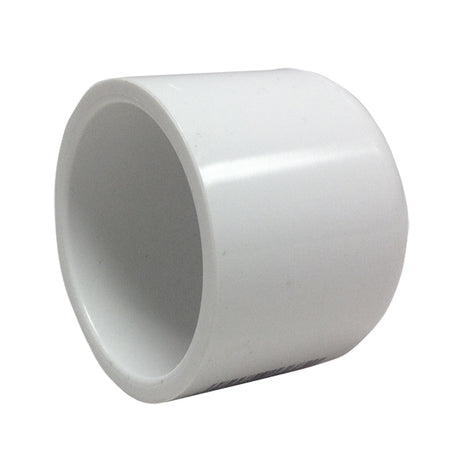
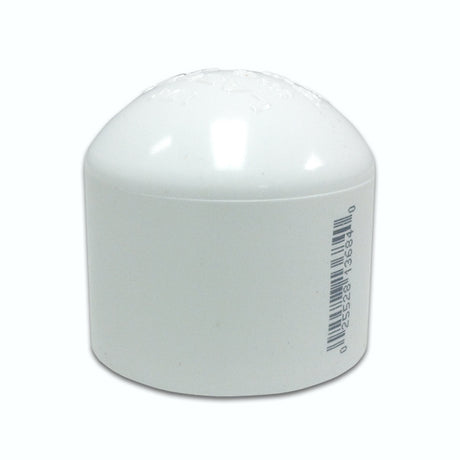
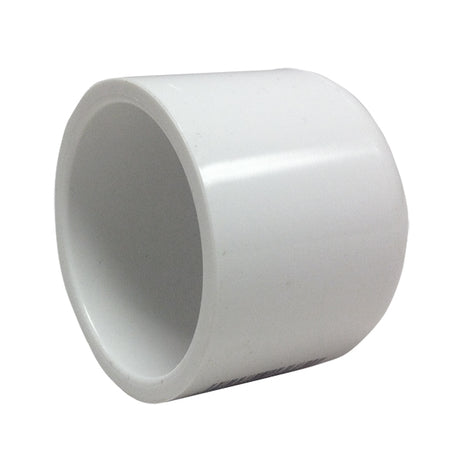
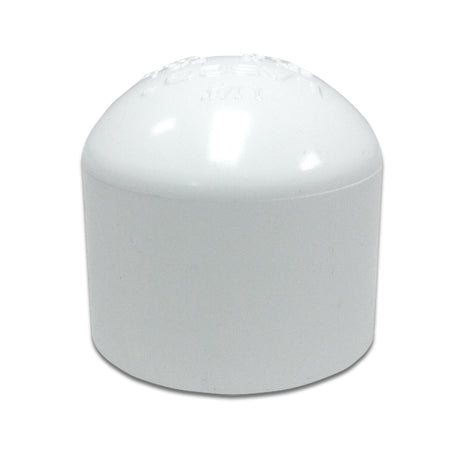
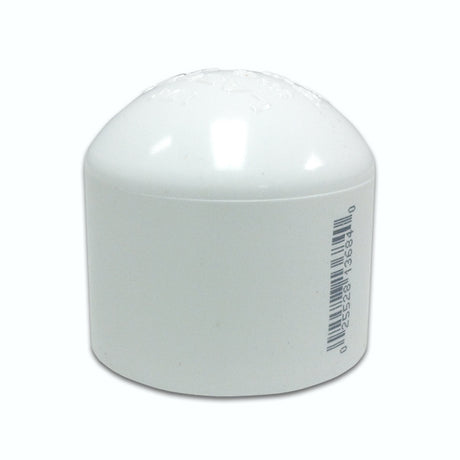
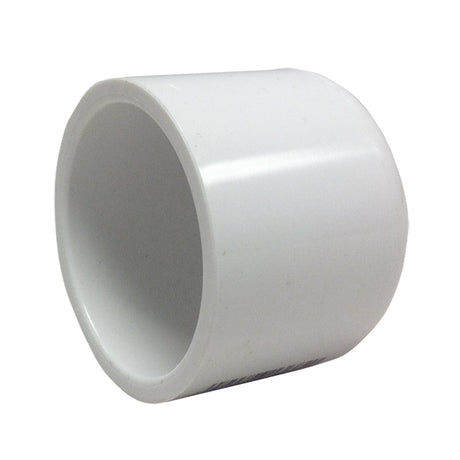
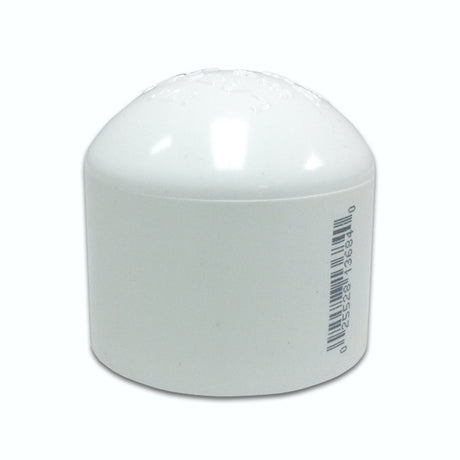
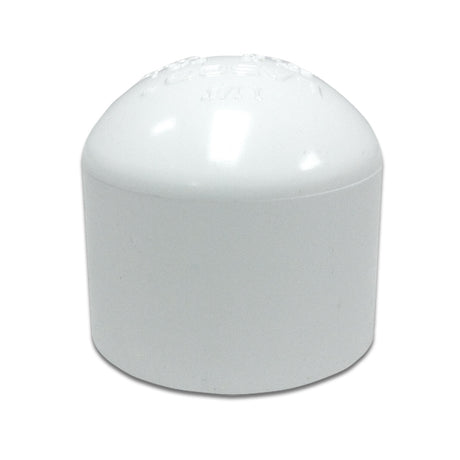
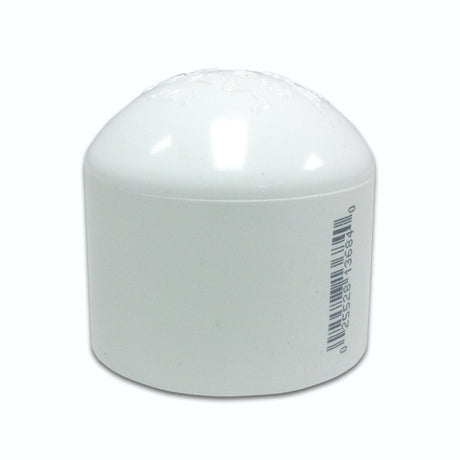
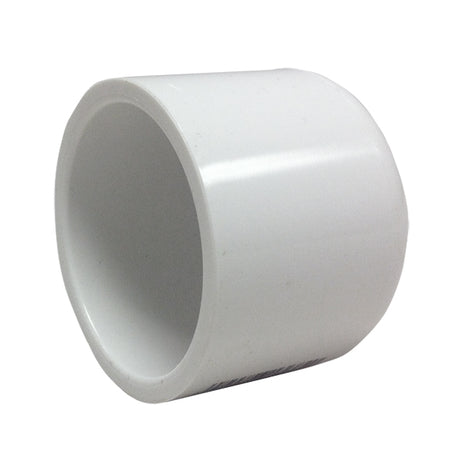
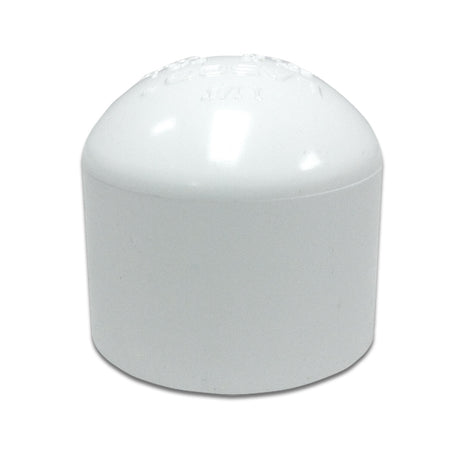
- Caps and Plugs close off open ends. Caps fit over a pipe end in a socket-style connection, while plugs fit inside a fitting opening using a spigot or threaded connection.
- Bushings reduce the opening of a fitting to accept a smaller pipe or component. They fit inside the socket of a larger fitting without adding length to the assembly.
- Crosses provide a four-way connection in a single fitting. They are commonly used in irrigation manifolds and distribution headers.
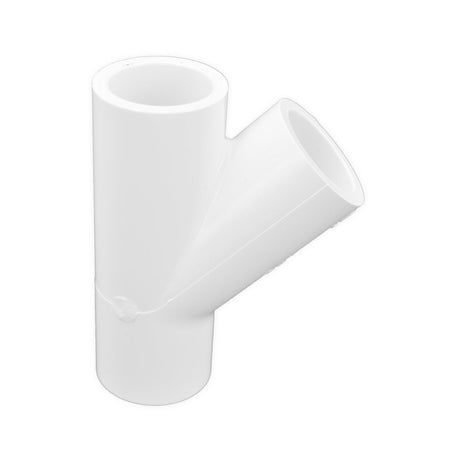
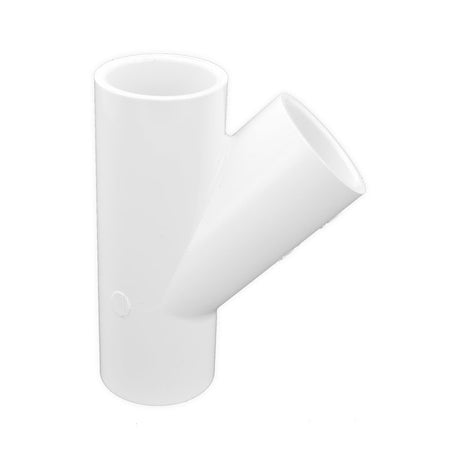
- Wyes create a 45° branch, offering a smoother flow transition than a tee. They are preferred in DWV systems where drainage flow needs to turn without sharp angles.
- Flanges provide bolted connections for attaching pipe to equipment, creating access points, or joining to other flanged piping systems.
- Nipples are short lengths of pipe with male threads on one or both ends, used to connect two female-threaded fittings or bridge a short gap between threaded components.
Bulk and Wholesale Pricing
Every fitting on our site is priced at wholesale rates, whether you are buying one piece or a thousand. We work directly with manufacturers like Spears and Lasco to keep our pricing below what you will find at big-box stores, and we pass those savings on to individual buyers and contractors alike. Need a large quantity for a project? Request a quote for additional bulk pricing on high-volume orders.
Specifications
All of our PVC and CPVC fittings are made from premium-grade materials and manufactured to current ASTM standards.
- PVC Schedule 40: ASTM D1784, ASTM D2466. NSF certified for potable water. Maximum temperature: 140°F.
- PVC Schedule 80: ASTM D1784, ASTM D2467 for socket fittings, ASTM D2464 for threaded fittings. NSF certified. Maximum temperature: 140°F.
- CPVC Schedule 80: ASTM D1784. NSF-14 certified. Maximum temperature: 200°F.
- CTS CPVC: ASTM D2846. NSF/ANSI 61 certified for lead-free potable water applications. Maximum temperature: 180°F at 100 PSI.
How PVC Fittings Are Classified
Fittings are classified by material, schedule, and connection type. Understanding these three categories makes it easier to find the right fitting for your system.
Material determines temperature and chemical compatibility. PVC handles temperatures up to 140°F and covers most cold water, irrigation, and drainage applications. CPVC handles temperatures up to 200°F and is commonly used for hot water and many chemical systems. Clear PVC offers the same general sizing and connection approach as standard PVC while providing transparency for visual monitoring.
Schedule determines wall thickness and pressure capacity. Schedule 40 is the standard for residential and light commercial work. Schedule 80 has thicker walls for higher pressures and industrial use. Both schedules share the same outside diameters, so fittings of either schedule will physically fit pipe of either schedule. For a detailed comparison, see Schedule 40 vs. Schedule 80 PVC.
Connection type determines how the fitting attaches. Socket, or slip, fittings are permanently joined with primer and solvent cement. Threaded FPT and MPT fittings screw together for removable connections. Push-on fittings use a gasket seal for tool-free assembly.
Can't find the fitting you need? Contact our team at (866) 777-7990. We can track down irregular sizes and hard-to-find configurations.