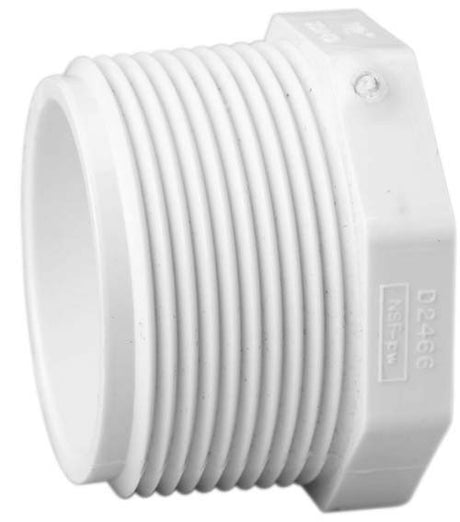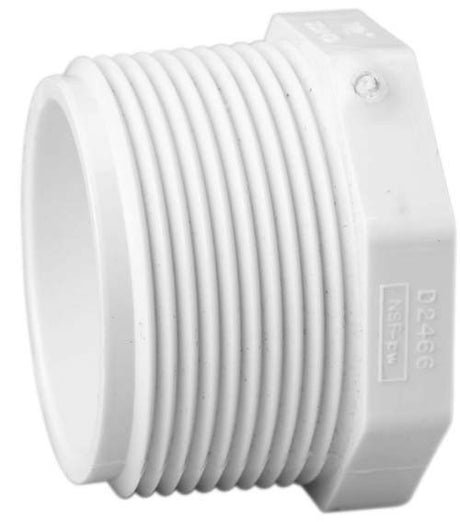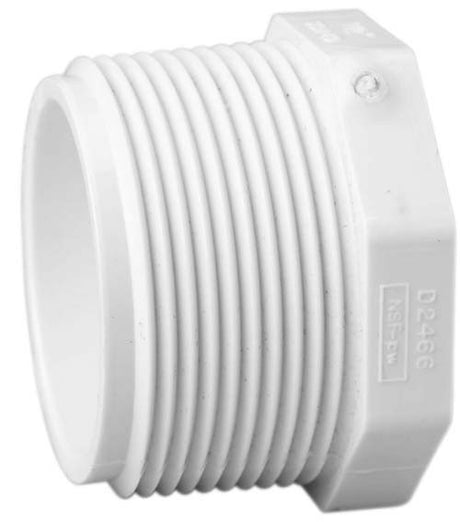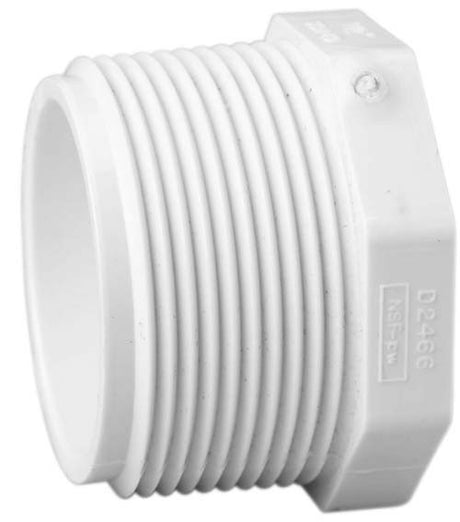
Sch 40 PVC Plugs

(34 products)

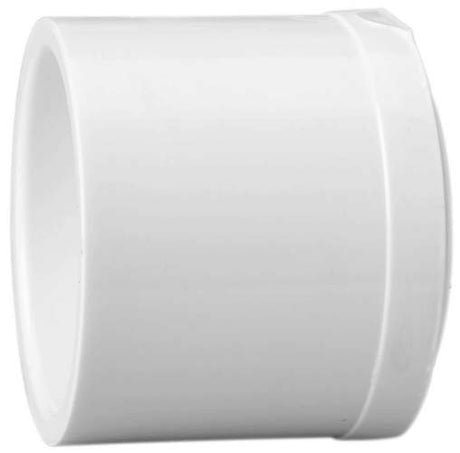
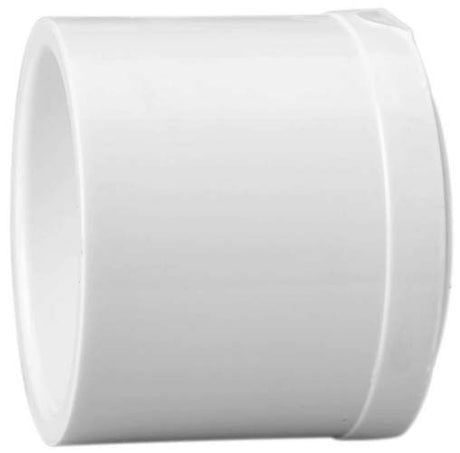
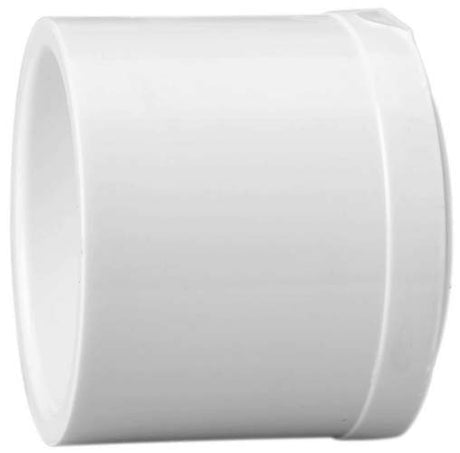
Schedule 40 PVC plugs are pipe closure fittings used to seal and terminate open ends in PVC piping systems. Whether you're capping an unused outlet on a tee, closing off an irrigation zone, pressure testing a line before backfill, or terminating a cold water system, a PVC plug provides a reliable, watertight closure.

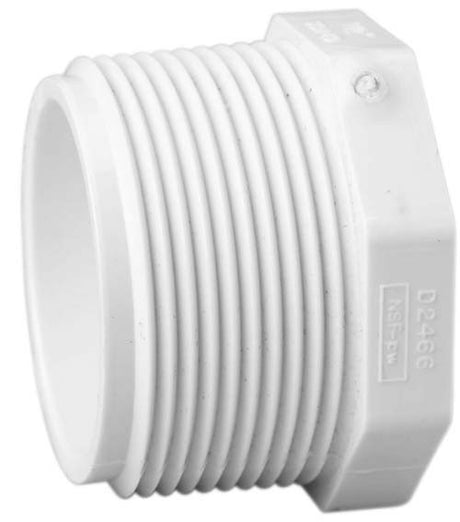
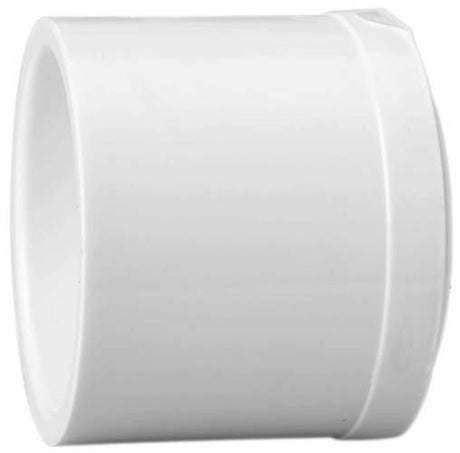
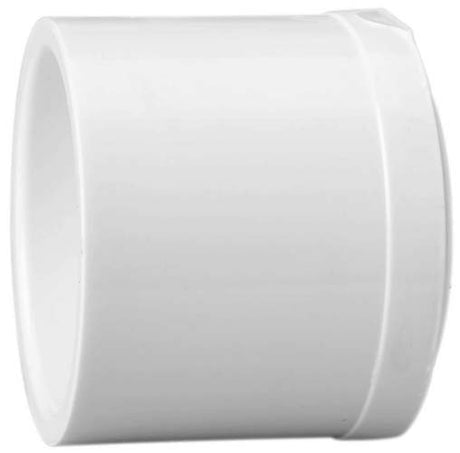
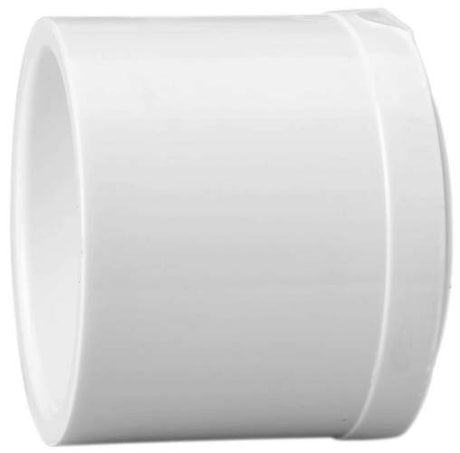
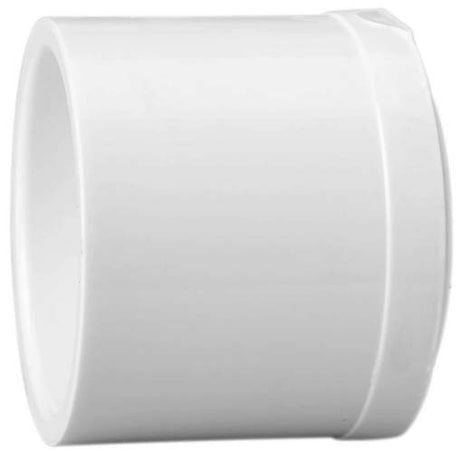
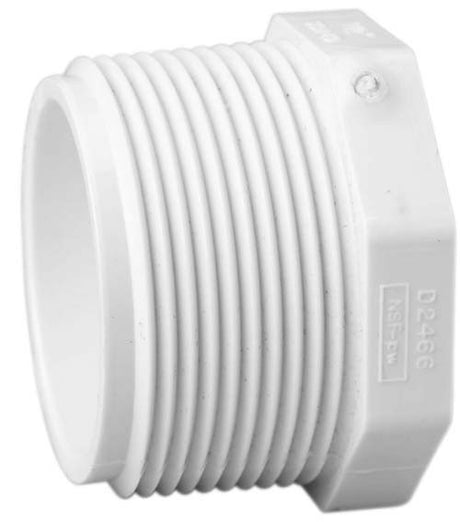
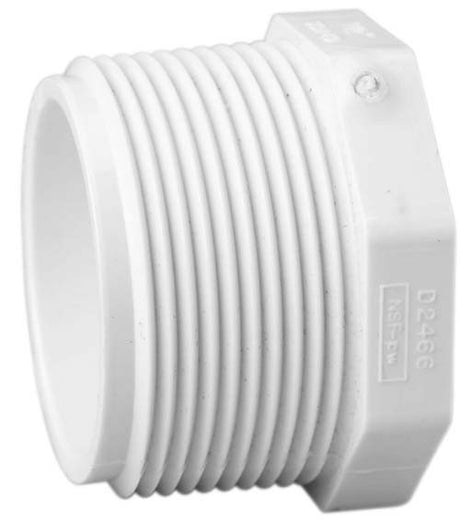
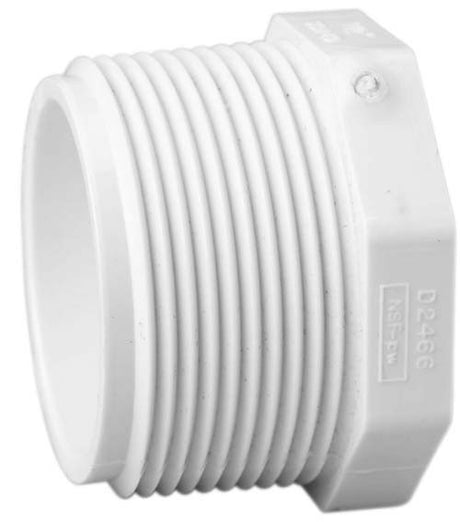
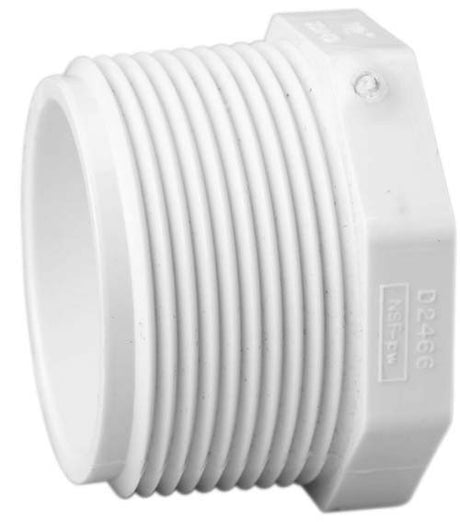
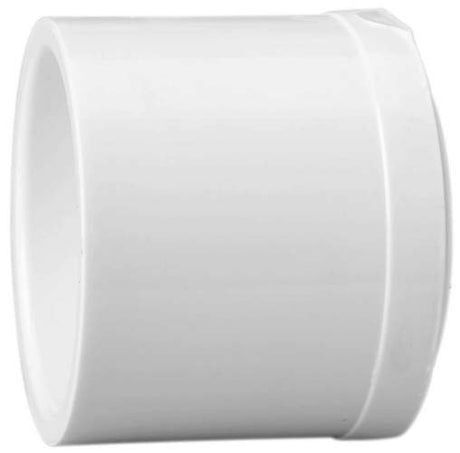
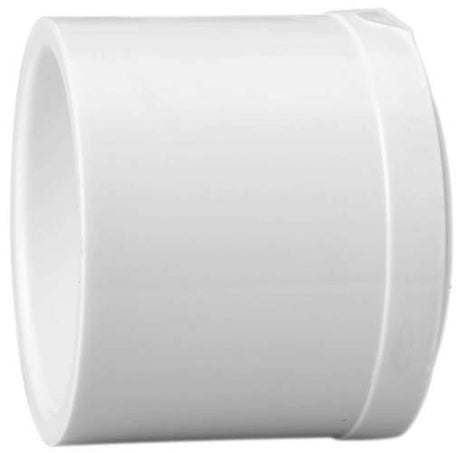
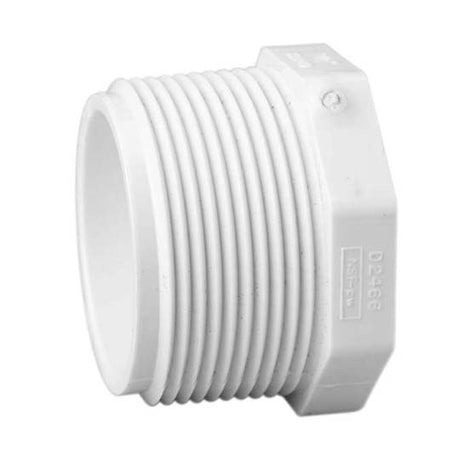
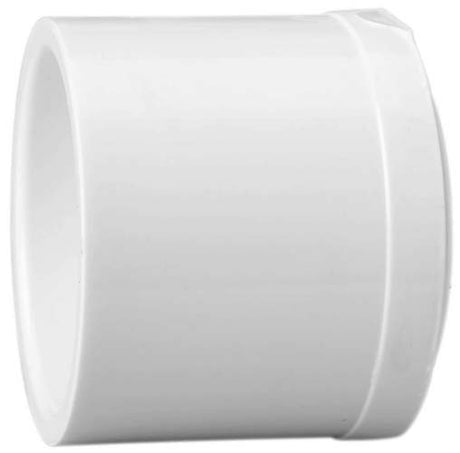
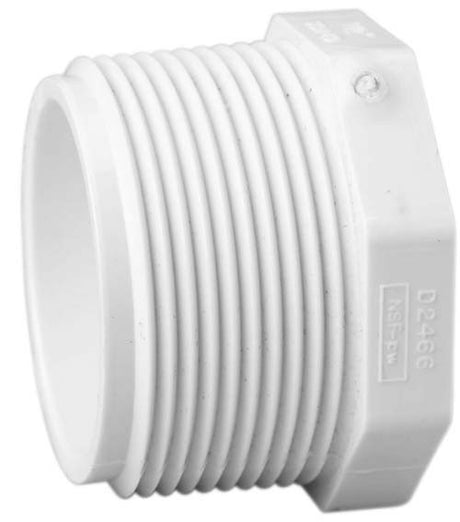
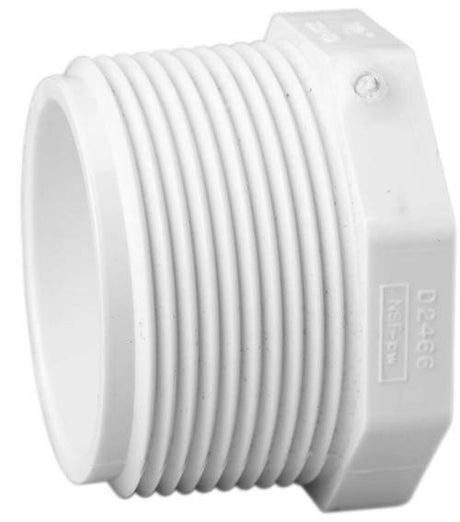
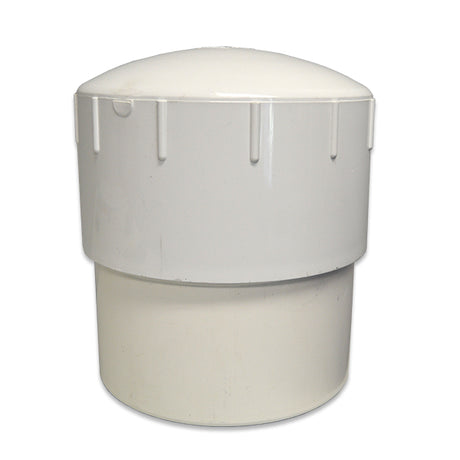
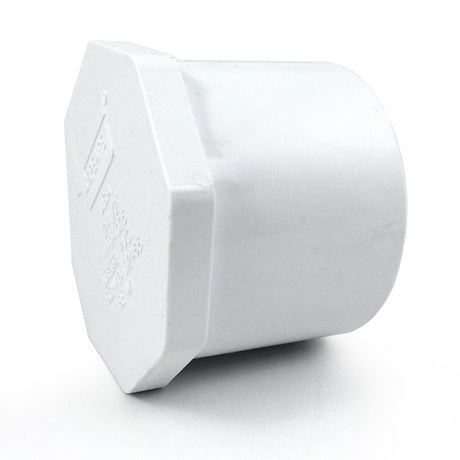
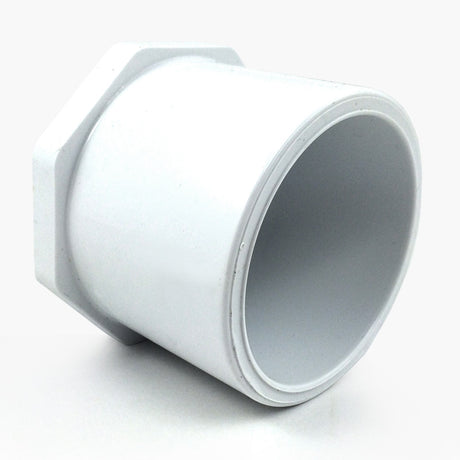
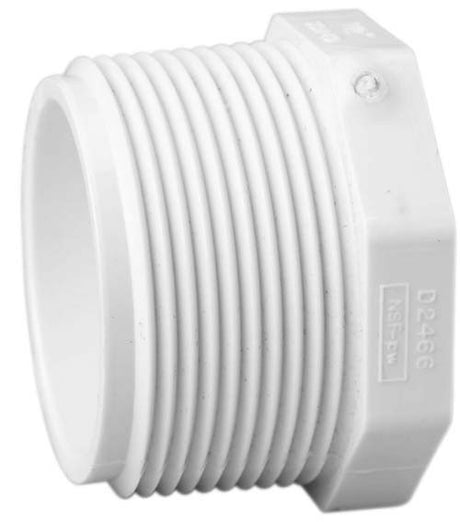
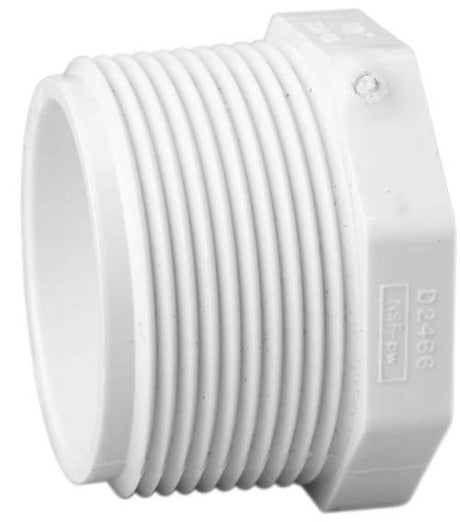
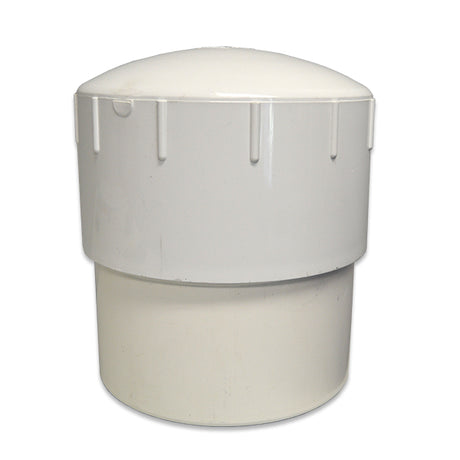
We stock the complete range of Schedule 40 PVC plugs in two connection styles — spigot (slip) and male threaded (MIPT) — in sizes from 3/8" through 12", with fabricated options available for large-diameter applications. Threaded plugs screw into place for a tight seal without adhesive, making them simple to install, replace, or remove when you need flexibility to change or expand the system later. Spigot plugs install into the socket end of an existing fitting using PVC primer and solvent cement for a permanent, watertight bond.
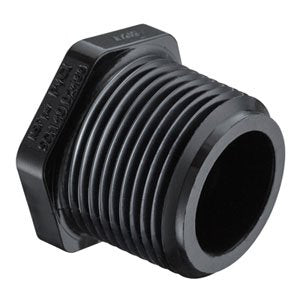
Standard plugs (excluding Class 125) meet ASTM D-1784, ASTM D-2466/2467, NSF/ANSI 14 & 61 — certified for potable water applications. Max operating temperature 140°F; pressure rating varies by size.

View as

Spigot vs. threaded: which plug do you need?

The two most common plug types — spigot and threaded — serve different purposes. Choosing the right one comes down to whether you need a permanent seal or a removable one.

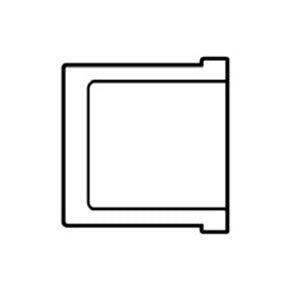
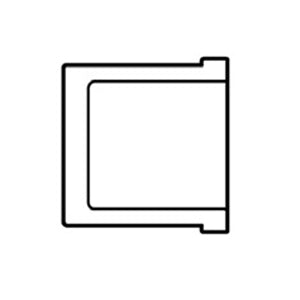
Spigot plugs have a smooth exterior that matches the outside diameter of Schedule 40 pipe. They slide directly into the socket end of a fitting — a coupling, tee, cross, or elbow — and are glued permanently in place with PVC primer and solvent cement. A properly installed spigot plug creates a full-pressure, permanent seal. Use a spigot plug when the closure is intended to be permanent and the fitting has a socket (slip) end.

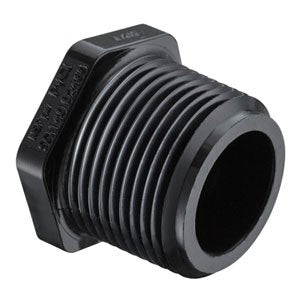
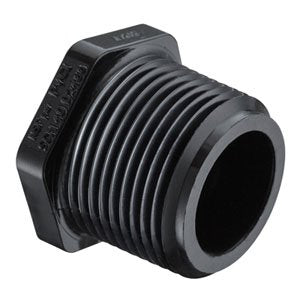
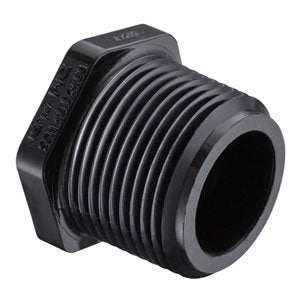
Male threaded plugs (MIPT) have external pipe threads that screw into any female-threaded (FIPT) fitting. No cement is required — thread tape alone provides a watertight seal. Because they can be unthreaded and removed, MIPT plugs are the right choice wherever future access may be needed: seasonal irrigation shutoffs, pressure test ports, inspection ports, or any system where you might need to open and re-close the port.

We also stock countersunk spigot plugs in 3/4" and 1" sizes, which sit flush with the face of the fitting socket for a cleaner finish in visible installations.

Common uses

  • Sealing unused outlets on tees, crosses, and manifolds
  • Closing pool and spa plumbing ports between seasons
  • Terminating irrigation zone lines
  • Pressure testing PVC pipe systems before covering or backfilling
  • Capping cold water supply line branches
  • Sealing off system ports during repair work
  • Closing off chemical handling lines in industrial applications

Plug vs. cap: what's the difference?

PVC plugs and caps are easy to confuse — both seal the end of a pipe system, but they work in opposite directions.

A plug fits inside a socket fitting. It has the same outside diameter as pipe of the same nominal size (spigot end) or male threads on the exterior (MIPT end). Plugs seal fitting sockets.

A cap fits over the outside of a pipe end. It has a socket (slip) or female-threaded interior and slides over bare pipe, not into a fitting.

The rule: if you're terminating inside a fitting socket, use a plug. If you're terminating the bare end of a pipe, use a cap.

Sizes and specifications

PVC plugs are available in nominal sizes from 3/8" to 6" in standard molded form. Fabricated plugs are available in 8", 10", and 12" for larger systems. Large-diameter requirements beyond 12" — contact us for a quote.
Standard Schedule 40 PVC plug specifications:

  • Material: PVC Type I, Cell Class 12454-B
  • Max operating temperature: 140°F
  • Pressure rating: varies by size (e.g. 850 PSI at 3/8", 480 PSI at 1/2", 280 PSI at 2", 180 PSI at 6" — threaded ends rated lower than spigot)
  • Standards: ASTM D-1784, ASTM D-2466/2467, NSF/ANSI 14 & 61

How to install a PVC plug

Spigot plug installation:

  1. Ensure the socket end of the receiving fitting is clean and free of debris
  2. Dry-fit the plug to confirm it seats fully into the socket
  3. Apply PVC primer to the plug spigot and fitting socket interior; allow to tack dry
  4. Apply solvent cement evenly to both primed surfaces
  5. Insert the plug with a slight quarter-turn twist and hold firmly for 30 seconds
  6. Allow to cure for at least 2 hours before pressurizing

MIPT plug installation:

  1. Wrap PTFE thread tape clockwise around the male threads of the plug — 2 to 3 wraps
  2. Hand-thread the plug into the female-threaded fitting until snug
  3. Tighten 1 to 2 additional turns with a strap wrench
  4. Do not over-tighten — PVC threads will crack under excess torque
  5. Pressurize and check for weeping at the thread

Maintenance

Installed PVC plugs require minimal maintenance. Solvent-welded spigot plugs in buried or enclosed systems are essentially maintenance-free. For accessible threaded plugs in seasonal systems, check thread tape integrity annually and re-tape if any weeping is detected. In cold climates, drain all above-ground PVC lines before the first hard freeze — PVC can crack if standing water freezes inside a sealed system.

Standards and certifications

All standard Schedule 40 PVC plugs we stock meet:

  • ASTM D-1784 — PVC compound specification covering physical properties (tensile strength, impact resistance, heat deflection)
  • ASTM D-2466 — dimensional standard for socket fittings, ensuring compatibility across manufacturers
  • NSF/ANSI 14 — plastic piping components standard
  • NSF/ANSI 61 — drinking water system components certification; confirms the material does not leach harmful substances into potable water
Note: fabricated large-diameter plugs (8"+) may carry different certifications — check individual product listings.

Compare /3

Loading...