
Fitting Types Available
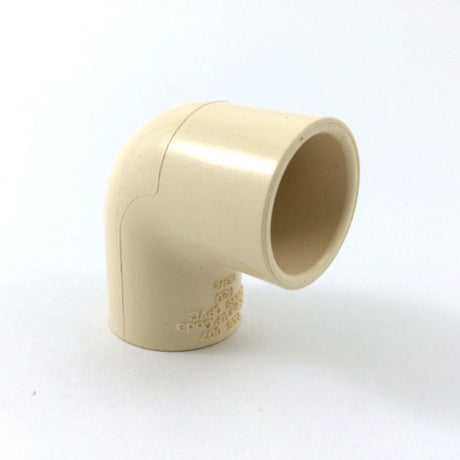
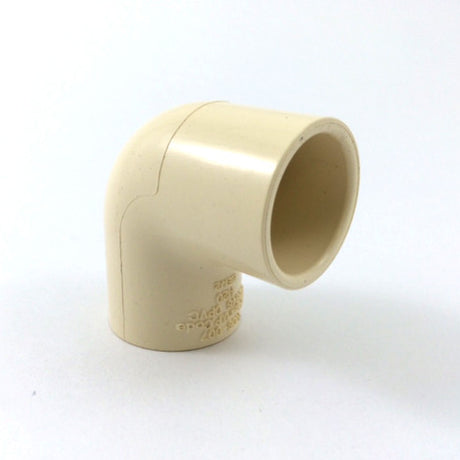
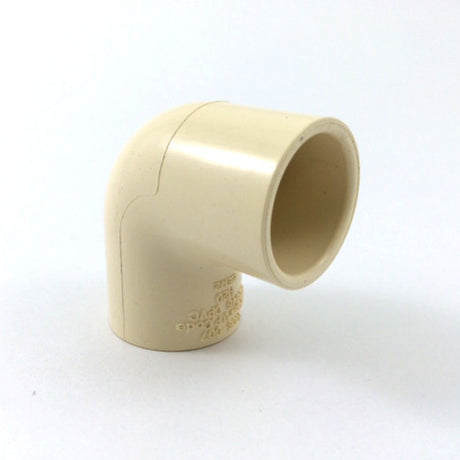
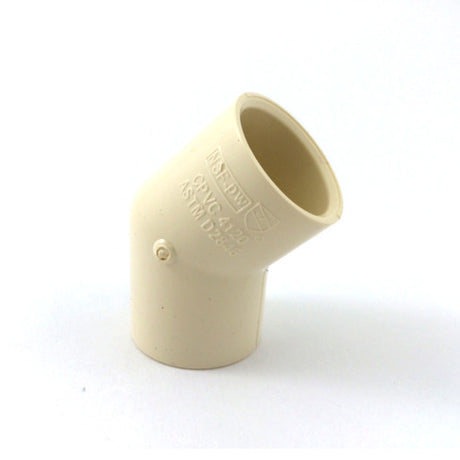
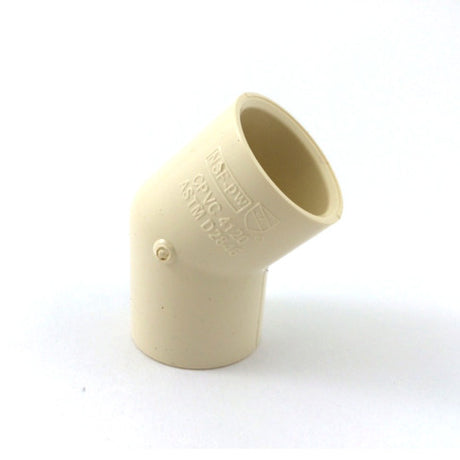
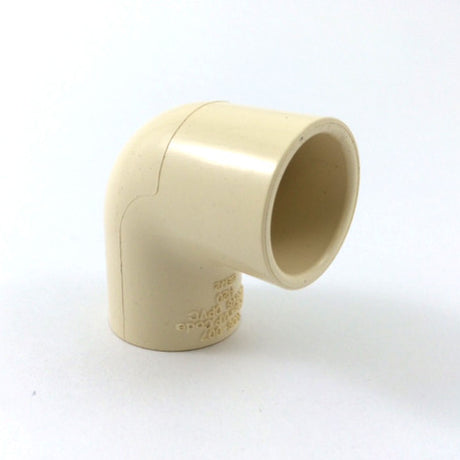
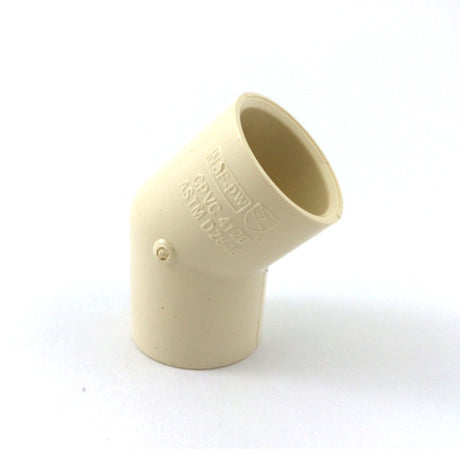
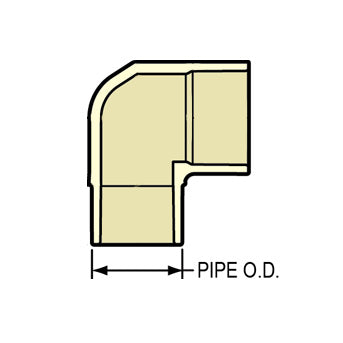
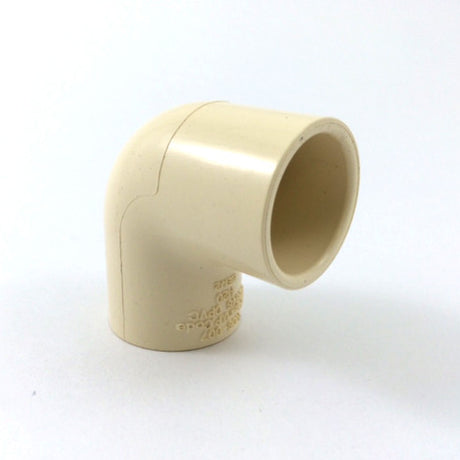
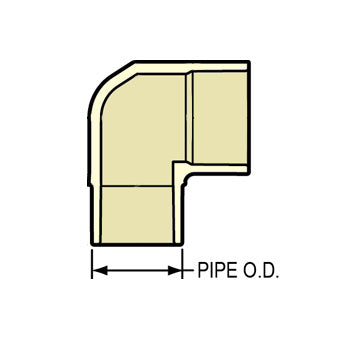
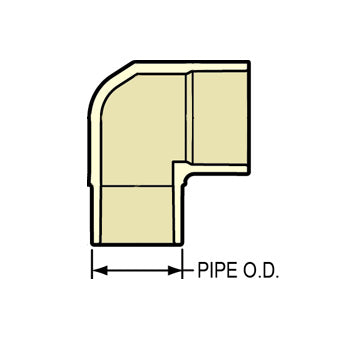
- 90° and 45° Elbows: Change direction in a water line. Available in standard and reducing configurations for transitions between pipe sizes.
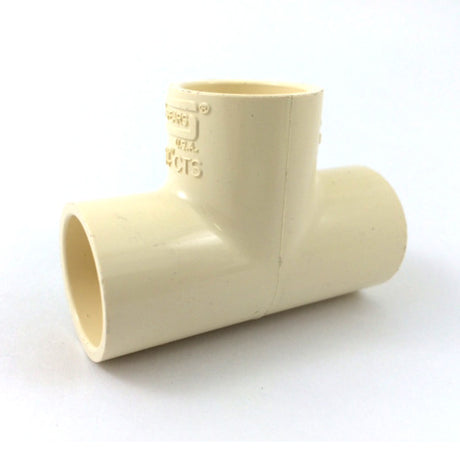
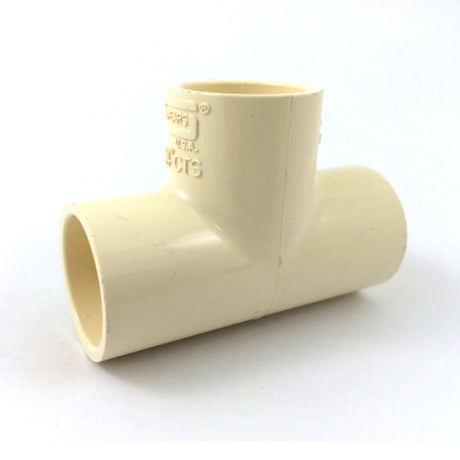
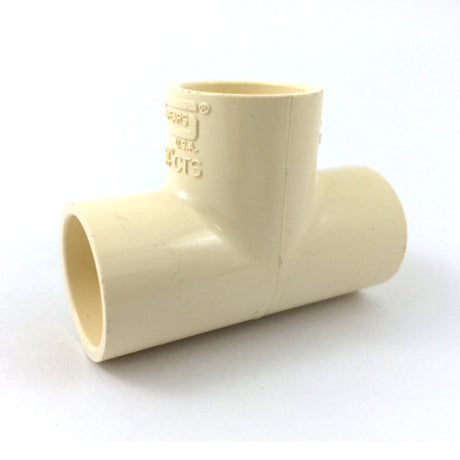
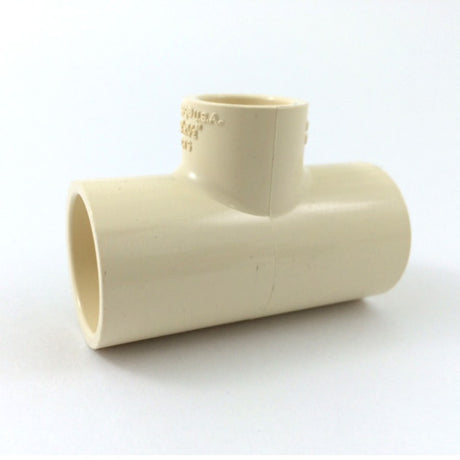
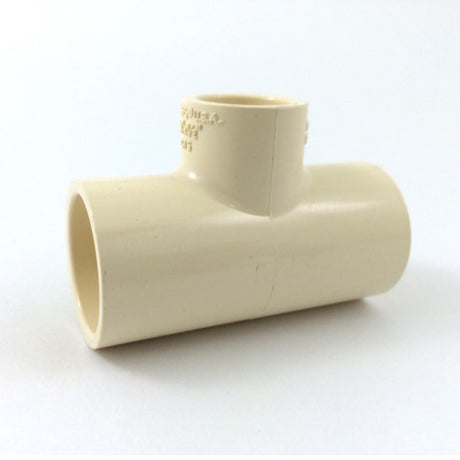
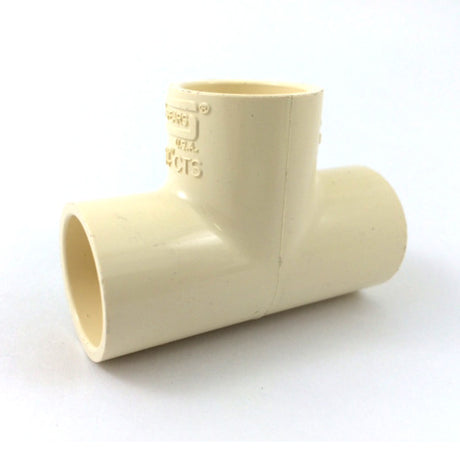
- Tees and Reducing Tees: Create branch connections. Reducing tees allow a smaller branch line to connect to a larger main run without requiring separate reducer fittings.
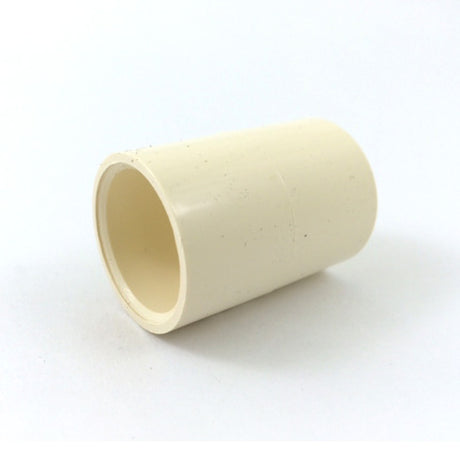
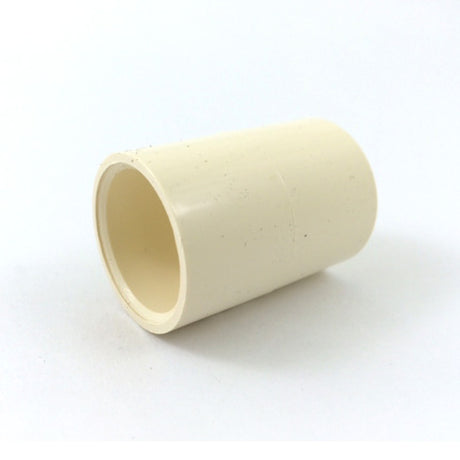
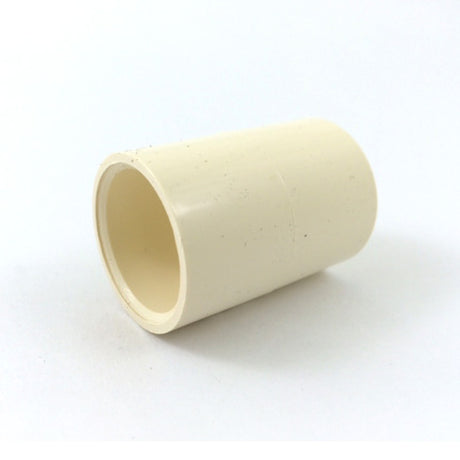
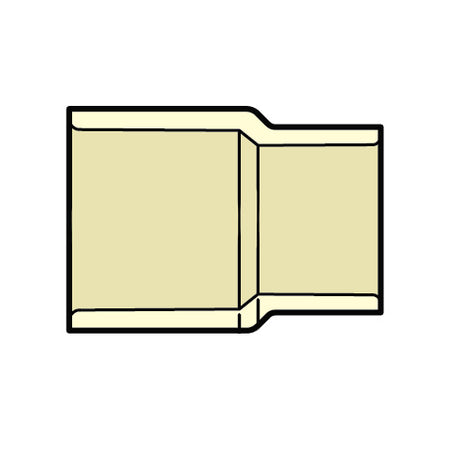
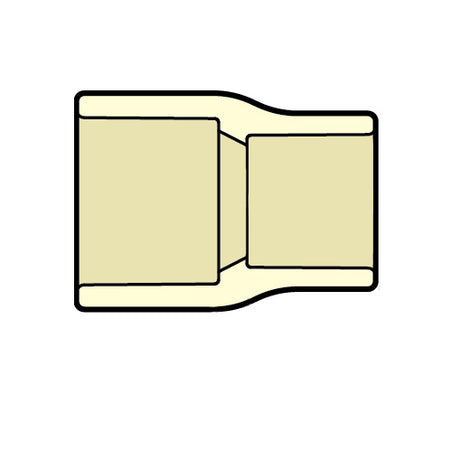
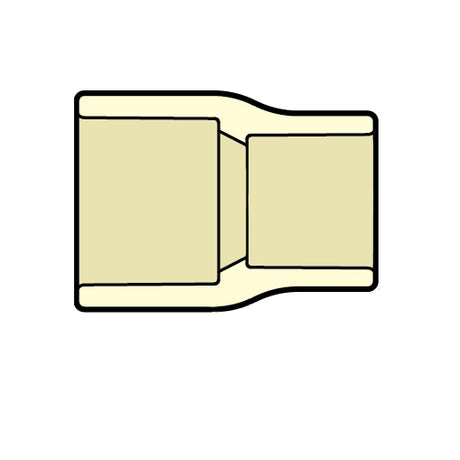
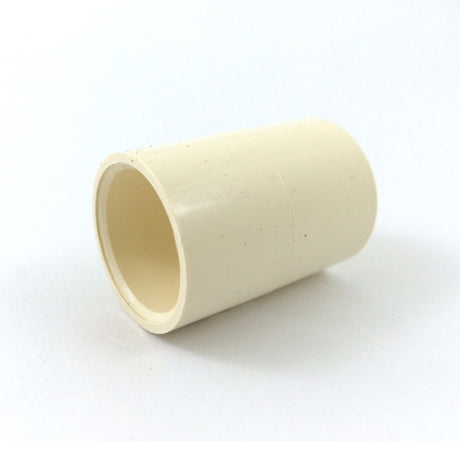
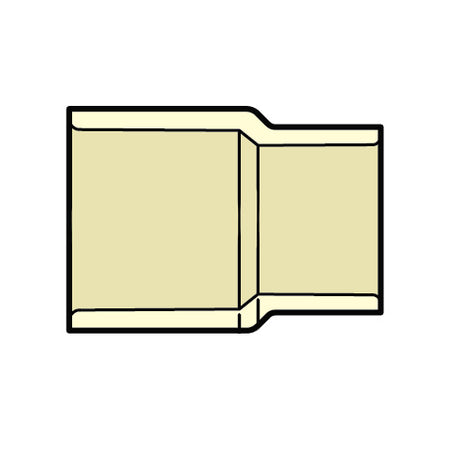
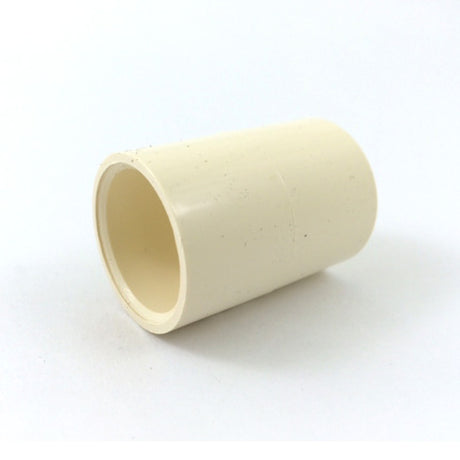
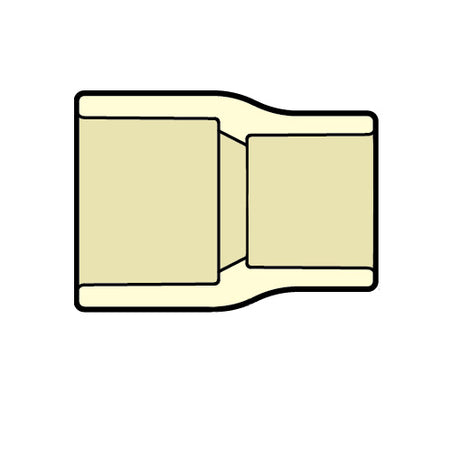
- Couplings and Reducer Couplings: Join two sections of CTS CPVC pipe in a straight run. Reducer couplings transition between different pipe sizes inline.
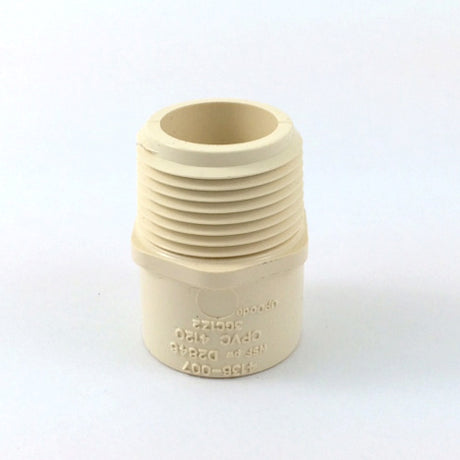
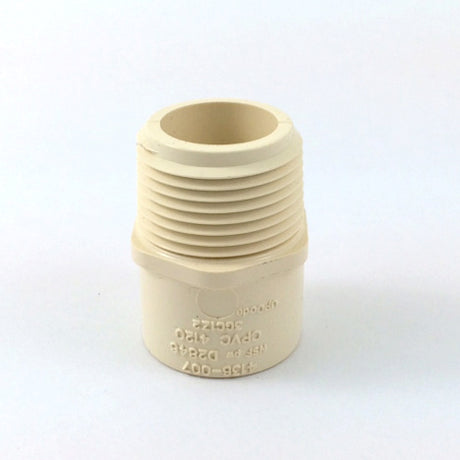
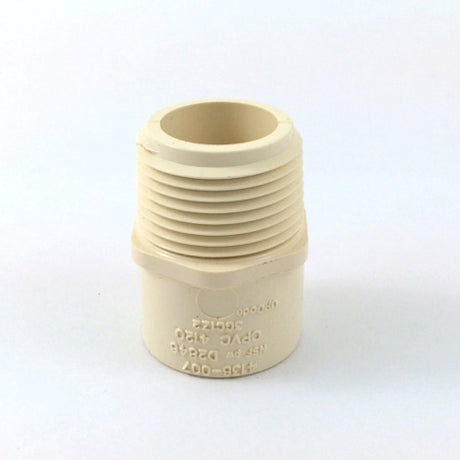
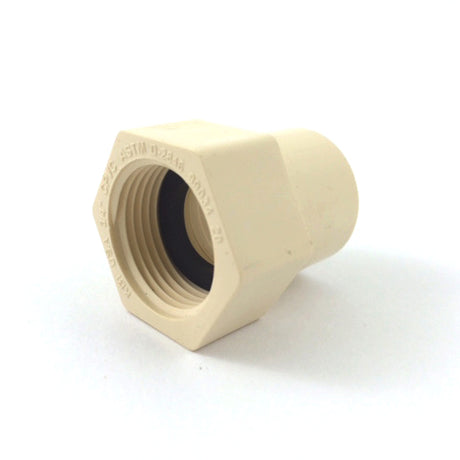
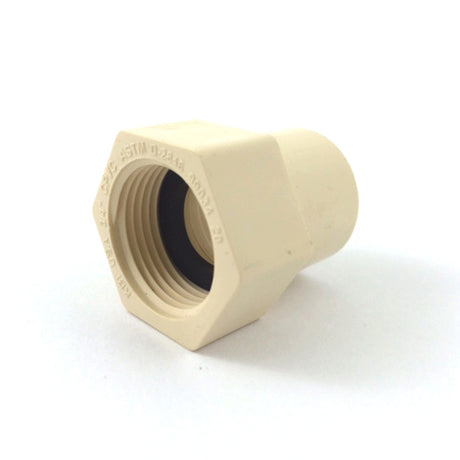
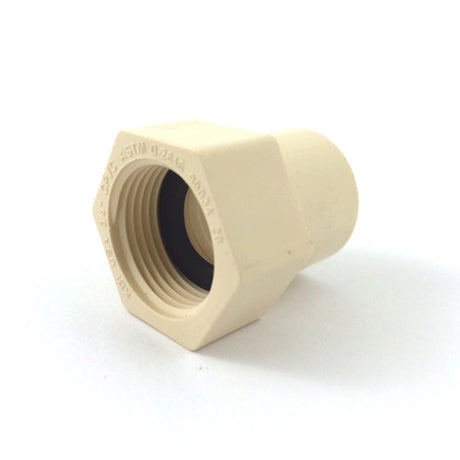
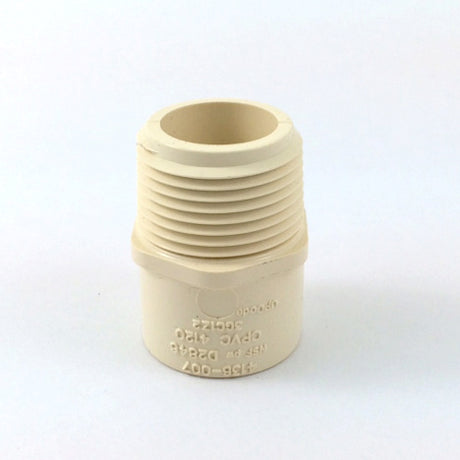
- Male and Female Adapters: Connect CTS CPVC pipe to threaded components such as valves, water heaters, and fixture supply stops. Male adapters have a socket end and an external thread, while female adapters have a socket end and an internal thread.
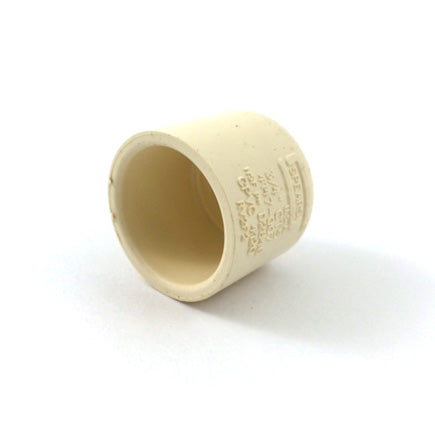
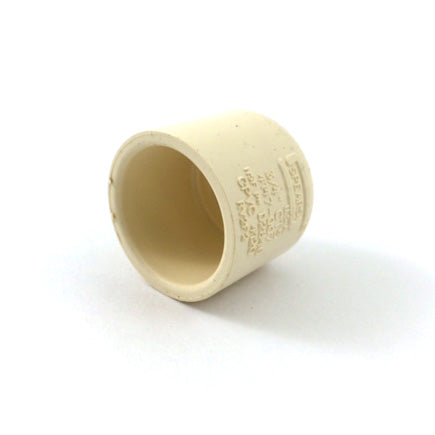
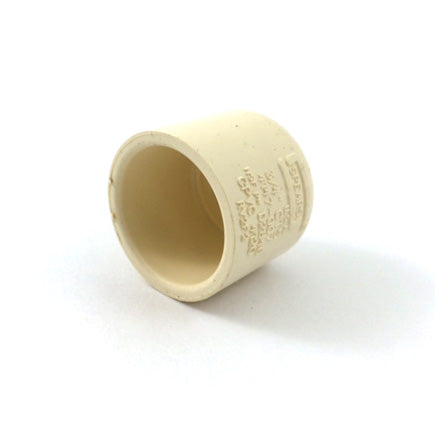
- Caps: Seal the end of a pipe run for testing, termination, or future expansion.
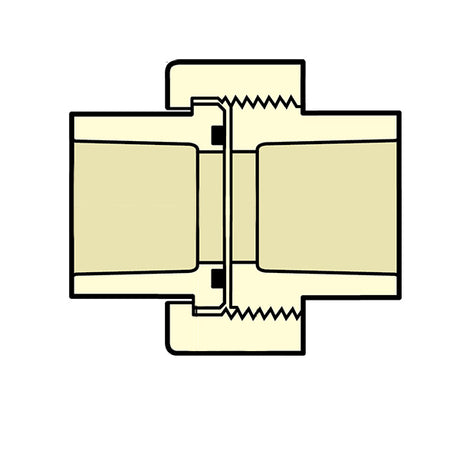
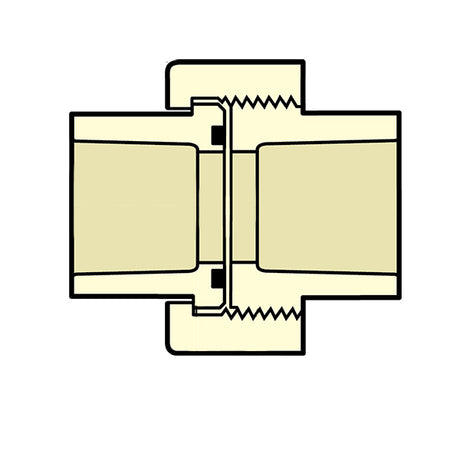
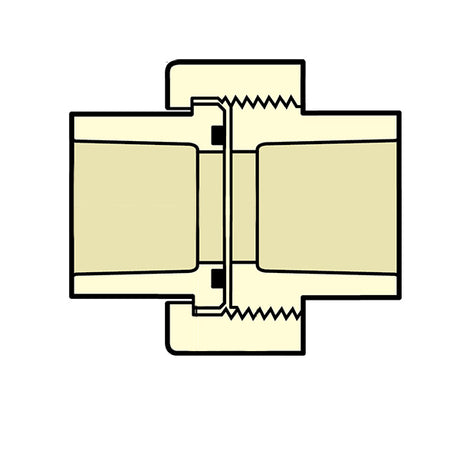
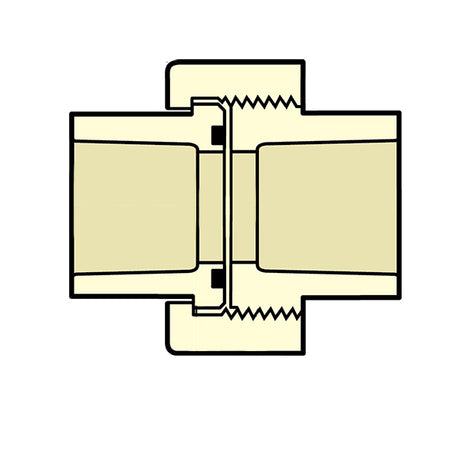
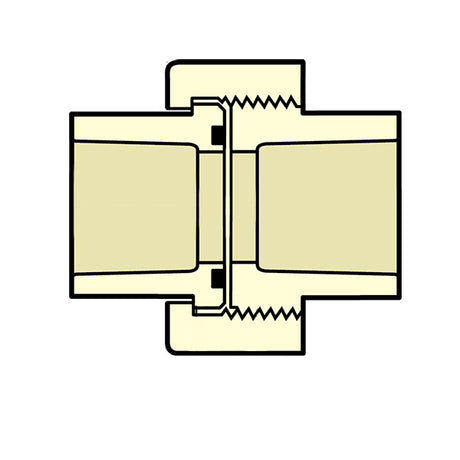
- Unions: Create a removable connection point for maintenance access. They are useful near water heaters, equipment, and other areas where the line may need to be disconnected later.
- Transition Bushings and Transition Couplings: Connect CTS-sized pipe to IPS, or iron pipe size, components. These fittings are essential when tying residential CTS plumbing into larger commercial IPS lines or connecting to IPS valves and equipment.
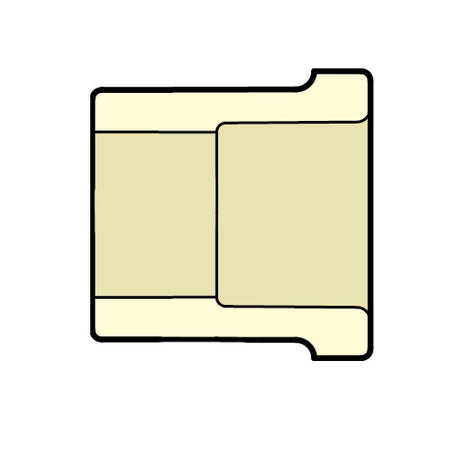
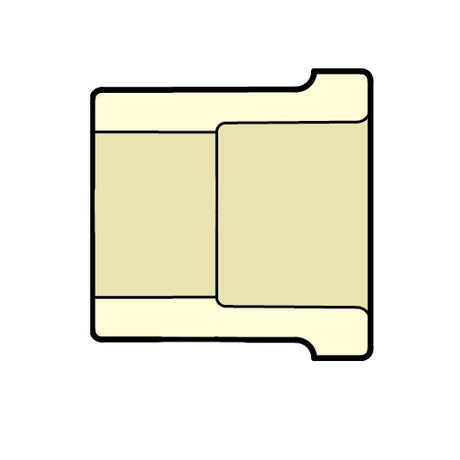
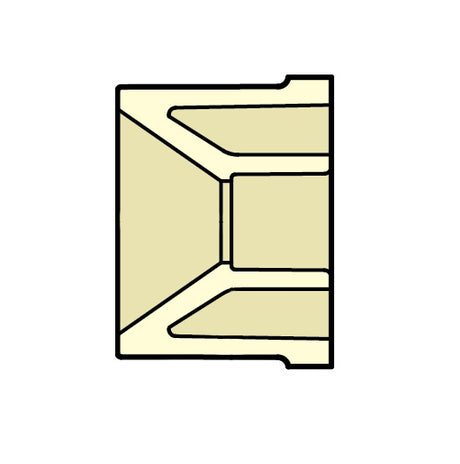
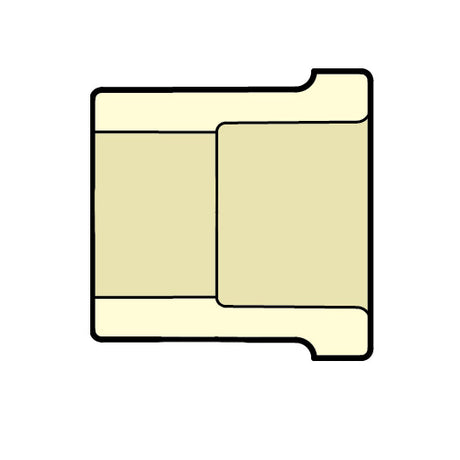
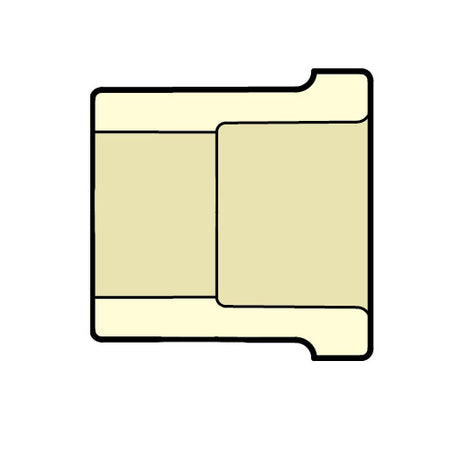
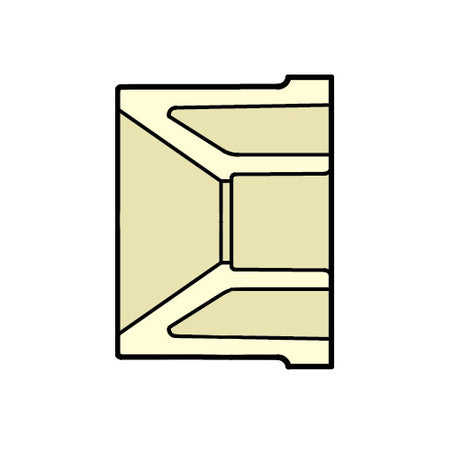
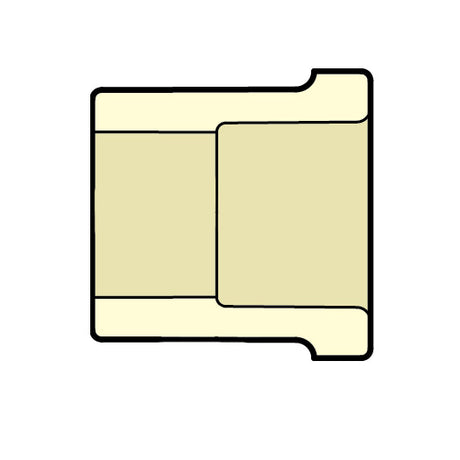
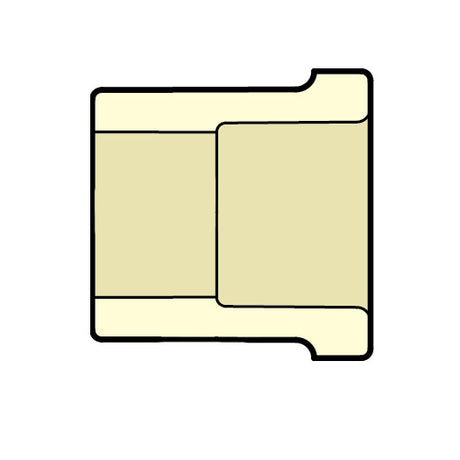
- Reducer Bushings: Step down from one CTS size to another within a fitting socket.
- Drop Ear Elbows: Mount to framing to provide a secure, fixed connection point for fixture stub-outs.
What Does CTS Mean?
CTS stands for copper tube size. It refers to a sizing system based on the outside diameter of standard copper tubing rather than the nominal pipe sizing used for PVC and CPVC Schedule 40 and Schedule 80 fittings. A 3/4-inch CTS fitting has a different socket diameter than a 3/4-inch IPS fitting because copper tubing and iron pipe have different outside diameters at the same nominal size.
This distinction matters because CTS CPVC pipe and fittings are designed specifically to replace copper in water distribution systems. They match copper tube outside diameters, which means CTS CPVC can tie into existing copper lines using transition fittings or connect to fixtures, valves, and supply stops originally designed for copper tubing.
If your system uses iron pipe size, or IPS, components, you will need Schedule 80 CPVC fittings or IPS-to-CTS transition fittings to bridge the two sizing systems.
CTS CPVC vs. Copper
CTS CPVC was developed as a lighter, less expensive, and easier-to-install alternative to copper plumbing. CTS CPVC does not corrode, scale, or develop pinhole leaks the way copper can over time. It also does not require soldering, brazing, or an open flame during installation.
All joints are made with solvent cement, which can make installation faster while eliminating the fire risk associated with soldering. CPVC also has lower thermal conductivity than copper, meaning hot water lines lose less heat through the pipe walls and cold water lines are less likely to sweat.
CTS CPVC is approved for both hot and cold water service at temperatures up to 180°F at 100 PSI, covering virtually all residential and most commercial domestic water applications.
Common Applications
- Residential water distribution: Hot and cold water supply lines throughout a home. CTS CPVC is code-approved for potable water in most jurisdictions.
- Commercial domestic water: Hotels, office buildings, schools, and other commercial facilities where copper tube sizing is standard.
- Water heater connections: CTS CPVC handles hot water distribution temperatures up to 180°F without softening or losing strength.
- Fixture supply lines: Stub-outs to sinks, showers, tubs, and toilets using drop ear elbows and standard adapters.
- Retrofit and remodeling projects: Connecting new CTS CPVC to existing copper systems using transition fittings for a clean, code-compliant connection.
Specifications
- Brand: Spears EverTUFF
- Material: CPVC, or Chlorinated Polyvinyl Chloride
- Sizing System: CTS, or Copper Tube Size
- Sizes: 1/2 inch through 2 inches
- Pressure Rating: 100 PSI at 180°F
- Maximum Operating Temperature: 180°F
- Standards: ASTM D2846
- Certifications: NSF/ANSI 61, lead-free and approved for potable water
- Connection: Solvent-weld socket
- Compatible Pipe: SDR-11 CTS CPVC pipe
Installation Notes
Use CPVC solvent cement. CTS CPVC requires CPVC-rated primer and cement. Do not use PVC cement. The materials are chemically different, and PVC cement will not create a reliable bond on CPVC.
Cut square and deburr. Use a ratchet-style tubing cutter or a sharp wheel cutter. Remove burrs and chamfer the pipe end so it seats fully inside the fitting socket without wiping cement out of the joint.
Dry-fit to check depth and alignment. Mark the insertion depth on the pipe with a pencil so you can confirm that the pipe is fully seated after cementing.
Prime both surfaces, then cement. Apply primer to the pipe exterior and the fitting socket. Follow with an even coat of CPVC cement on both surfaces. Push the pipe into the fitting with a quarter turn and hold it in place for 15 to 30 seconds.
Observe cure time before pressurizing. Cure times vary based on pipe size, temperature, and cement type. At a minimum, allow each joint to set for the length of time specified on the cement manufacturer’s label before introducing water pressure.
Support pipe runs properly. CTS CPVC requires adequate support at the intervals specified by local code. Unsupported spans can sag over time, especially along hot water lines where the material may soften slightly at operating temperature. Browse our pipe support products for compatible installation options.
Need help with your CTS CPVC project? Contact our team or request a quote for bulk pricing.